Published: 20 March 2026
Ewa Klekot amplifies the voices of "non-professional" women artists at major Warsaw exhibition
Author: Editorial Team
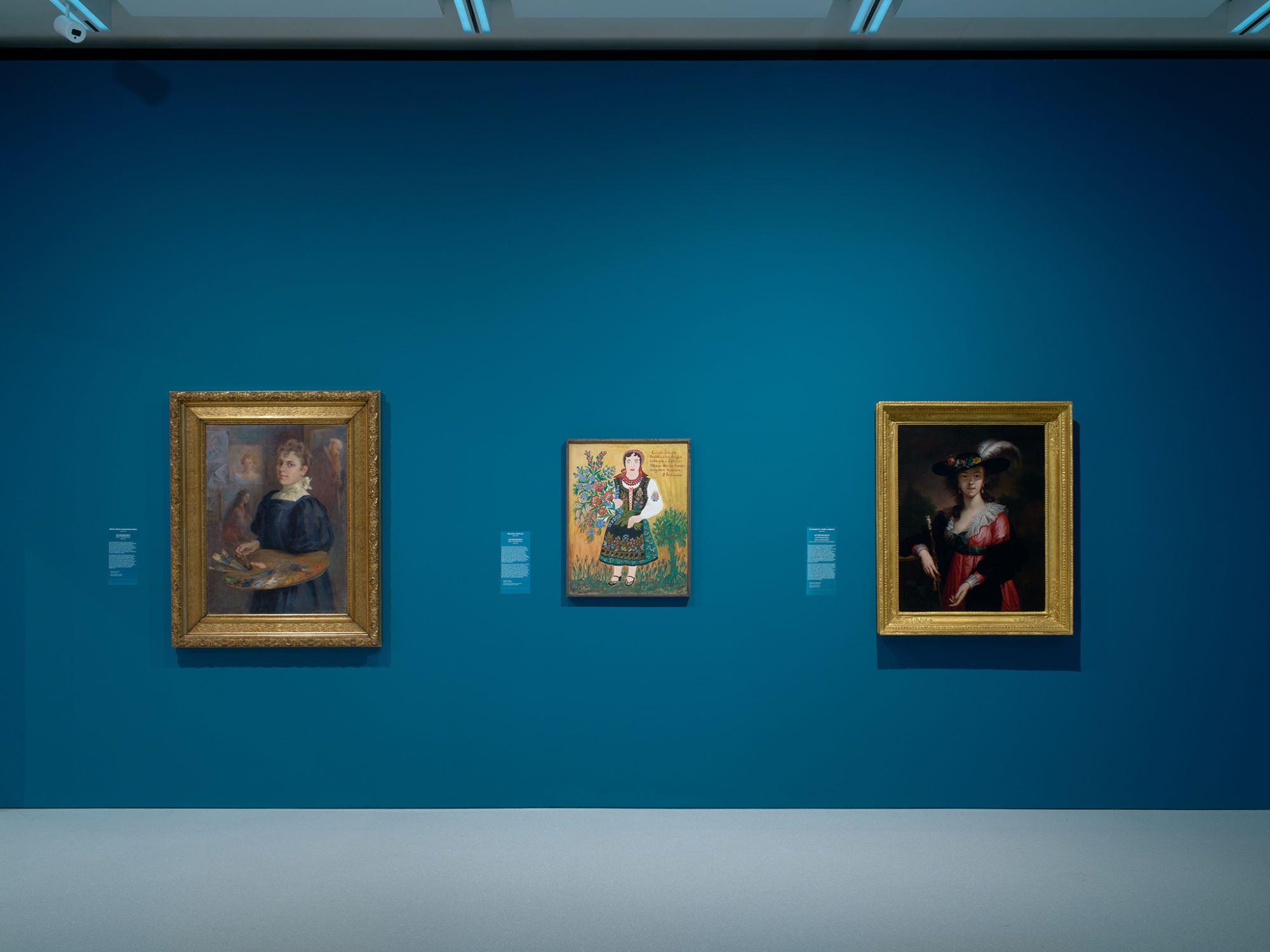
The exhibition "The Woman Question 1550–2025" at the Museum of Modern Art in Warsaw (MSN) highlights how women have carved out a space for themselves in a male-dominated art world over the centuries. A vital part of this narrative is the work of Polish "non-professional" women artists. Professor Ewa Klekot, a cultural anthropologist and lecturer at SWPS University’s School of Form, spearheaded the effort to include their art in the exhibition.
Five centuries of women's art
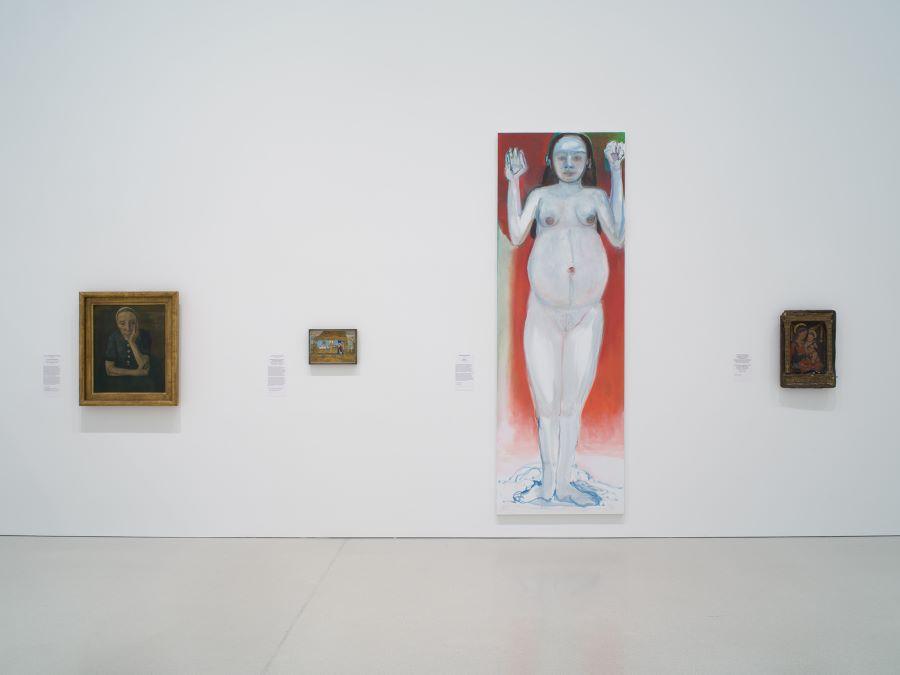
This broad overview challenges the myth of women’s absence from art history. Featuring nearly 200 works—ranging from contemporary pieces to Renaissance, Baroque, and 19th-century paintings—the show serves as a testament to women's creative output over the last 500 years. The exhibition is divided into nine thematic sections that explore topics such as education, spirituality, sexuality, motherhood, and war.
The exhibition’s lead curator, Alison M. Gingeras, invited Professor Ewa Klekot to collaborate on the project. Her goal was to weave the works of what are known in Poland as "non-professional" artists into the broader narrative. These are women without formal artistic education who nonetheless made a tangible mark on the art world.


From the perspective of the Polish museum and art scene, this was a groundbreaking idea. Works by artists without formal training are typically collected by ethnographic or regional museums. Here at the MSN exhibition, they are placed within categories originally created for "high art." These "non-professional" creators might seem a bit out of place there—they lack artistic education and come from lower social classes—which is exactly why their works raise a completely different set of questions.
Ewa Klekot, Ph.D. / Assistant Professor
art anthropologist, lecturer at School of Form
Doubly marginalized artists
The early modern art world was rigidly hierarchical from the start. Masterpieces were produced under the patronage of wealthy elites, and women artists faced systemic barriers at every turn. "Non-professional" women creators were pushed entirely to the margins. They experienced a double exclusion—not only because of their gender but also their social class. Most of them led difficult lives, struggling with limited financial resources and a lack of formal education.
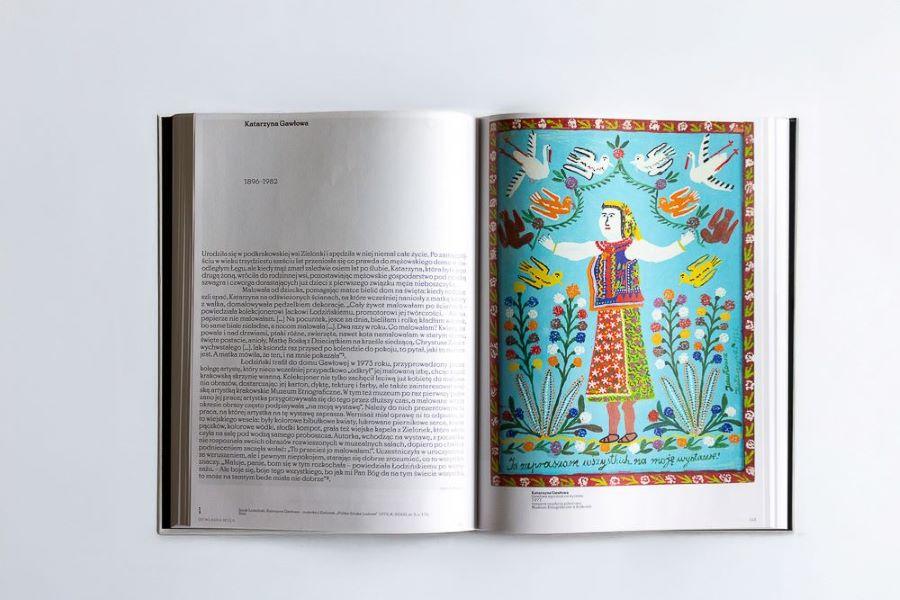
The representation of this group at MSN is incredibly diverse. Visitors will find pieces by Felicja Curyłowa from the village of Zalipie, who—as Professor Klekot points out—consciously embraced the folk art label and achieved tremendous success within it. Alongside her is Katarzyna Gawłowa, who painted from childhood and decorated the interior of her own home, only to have her work discovered by chance near the end of her life. The exhibition also features art by neurodivergent artists, including Maria Wnęk and Justyna Matysiak.
Professor Klekot expands on this theme of double marginalization in the exhibition catalog. Her original essay, "The Woman Question in the Pluriverse of Art," analyzes the situation of women creators within a strictly class-defined art world.
Practical information
The Woman Question 1550–2025
Where: Museum of Modern Art in Warsaw, Marszałkowska 103
When: November 21, 2025 – May 3, 2026
