Published: 7 July 2026
"Doing Nothing." Agata Nowak curates an exhibition at Gdynia Design Days
Author: Magdalena Miszewska
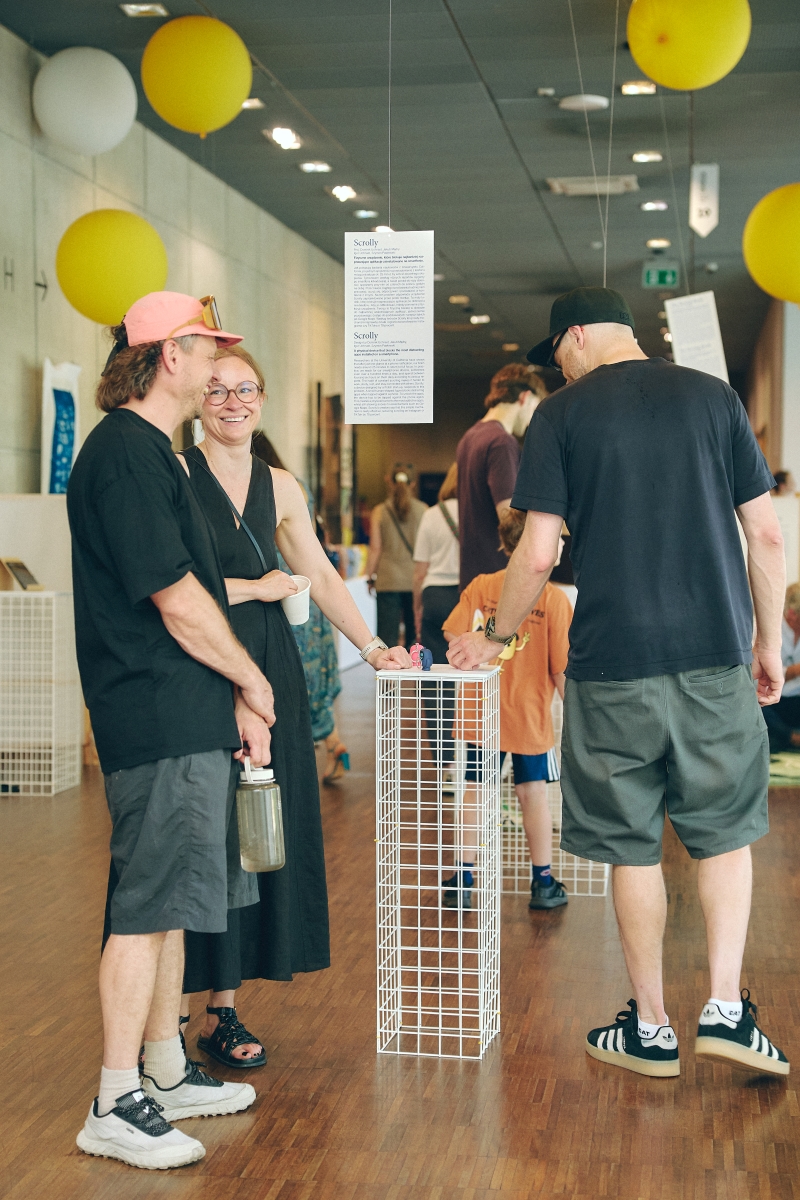
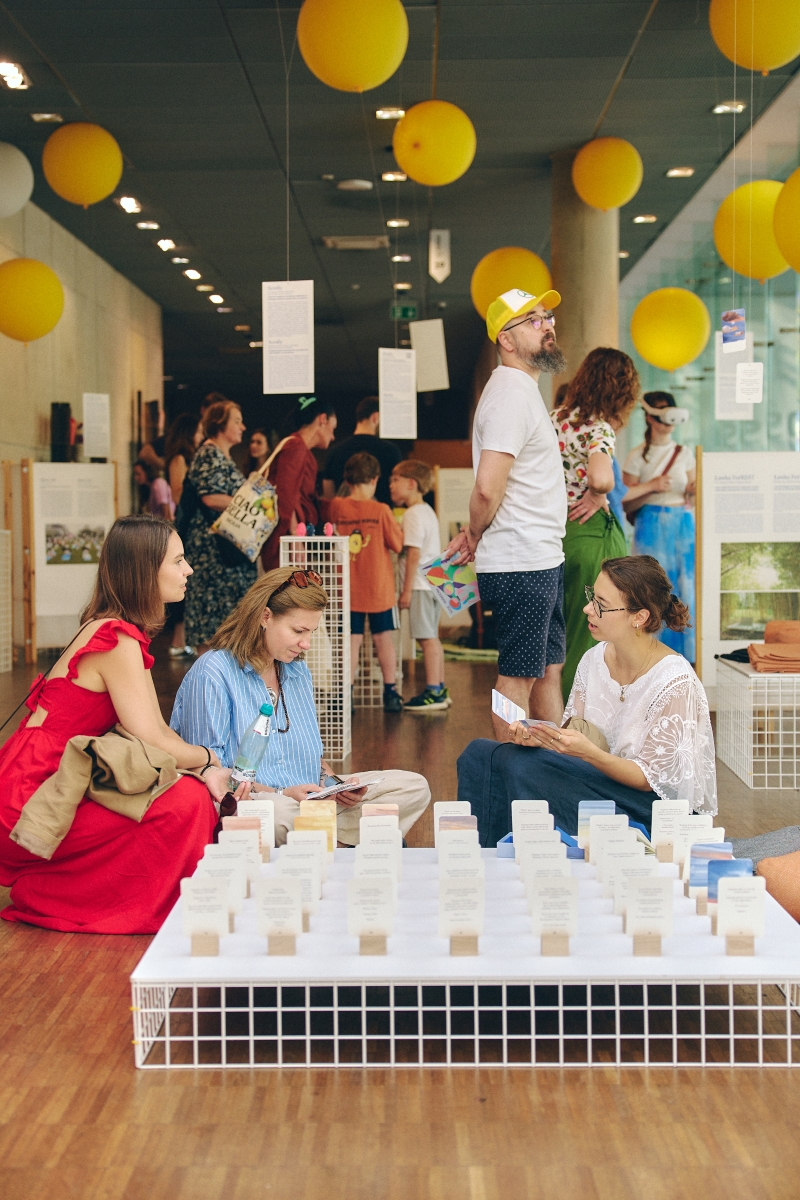
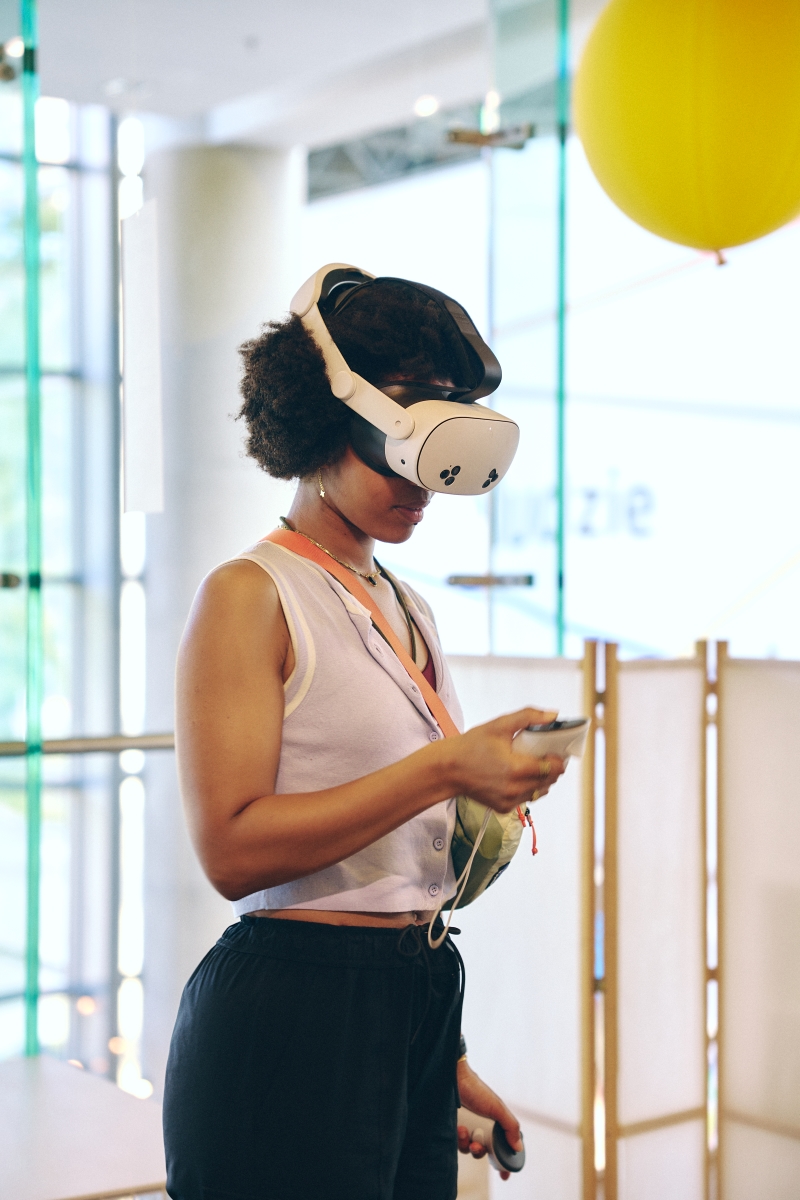
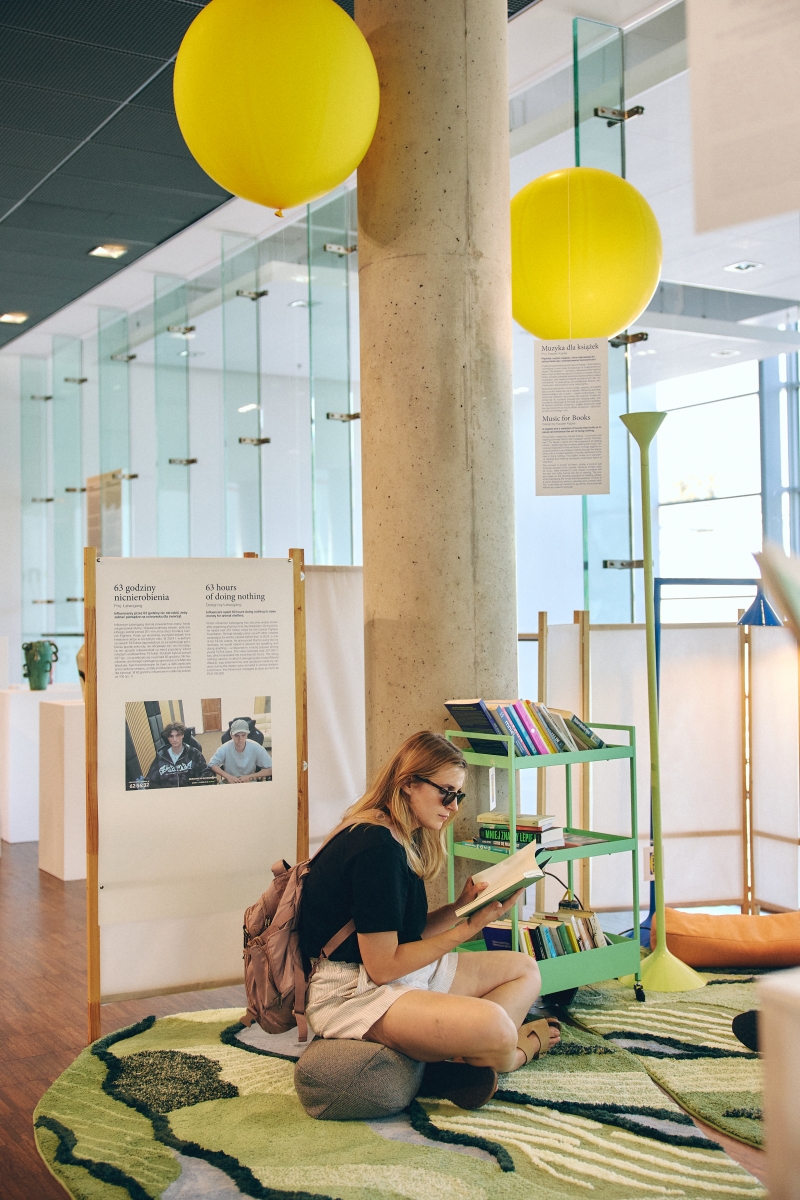
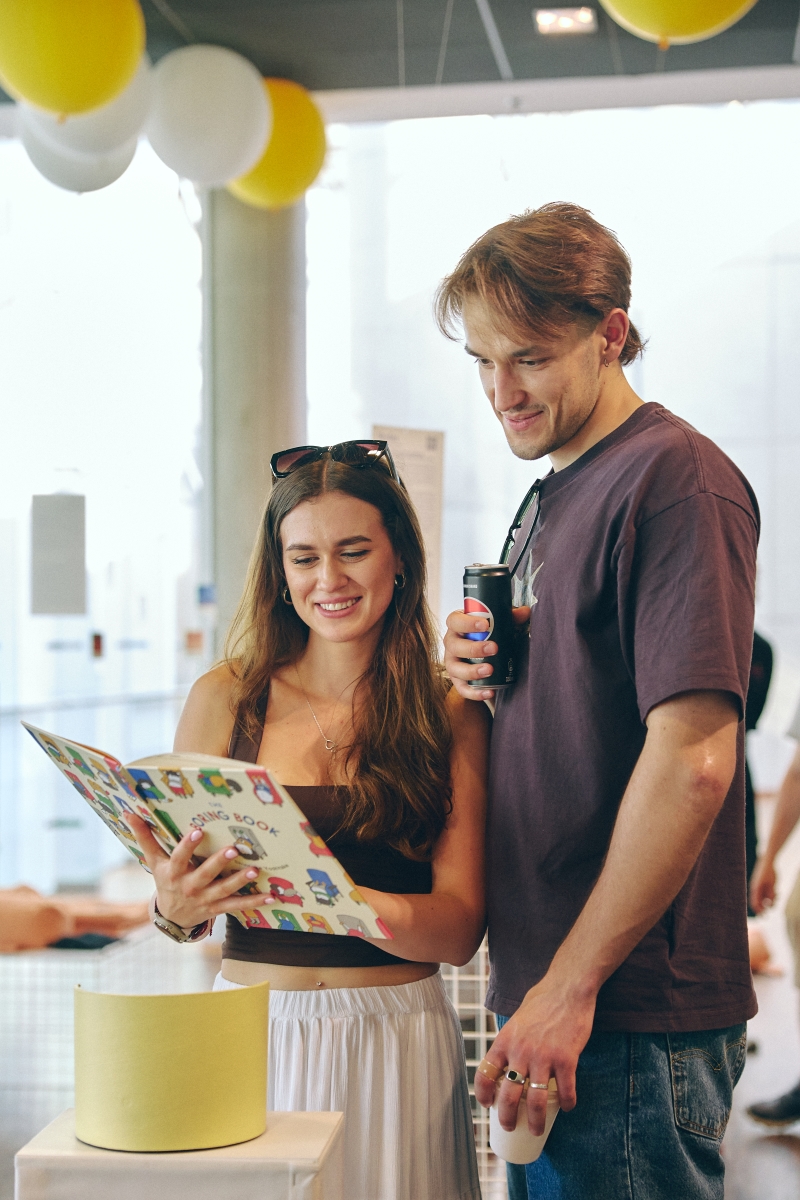
Do we still know how to do nothing? In a world that constantly urges us to stay productive, it's a question that feels more relevant than ever. This idea became the starting point for Doing Nothing, an exhibition designed and curated by Agata Nowak, a lecturer at School of Form, presented as part of this year's Gdynia Design Days—one of the most important design festivals in Poland.
A festival focused on everyday life
This year's festival theme, closer, encouraged a shift toward everyday experiences, local challenges, and practical solutions that improve quality of life. Throughout the program, design was presented as a tool for positive change—one that can enhance urban living, support environmental sustainability, and contribute to our well-being.
Rather than promoting idealistic or utopian visions, the festival highlighted the idea of protopias—small, incremental improvements achieved through experimentation, iteration, and continuous refinement. Another recurring theme was the relationship between humans, technology, and artificial intelligence, reminding us of the value of distinctly human qualities such as empathy, intuition, and the ability to rest.
Rethinking the value of doing nothing
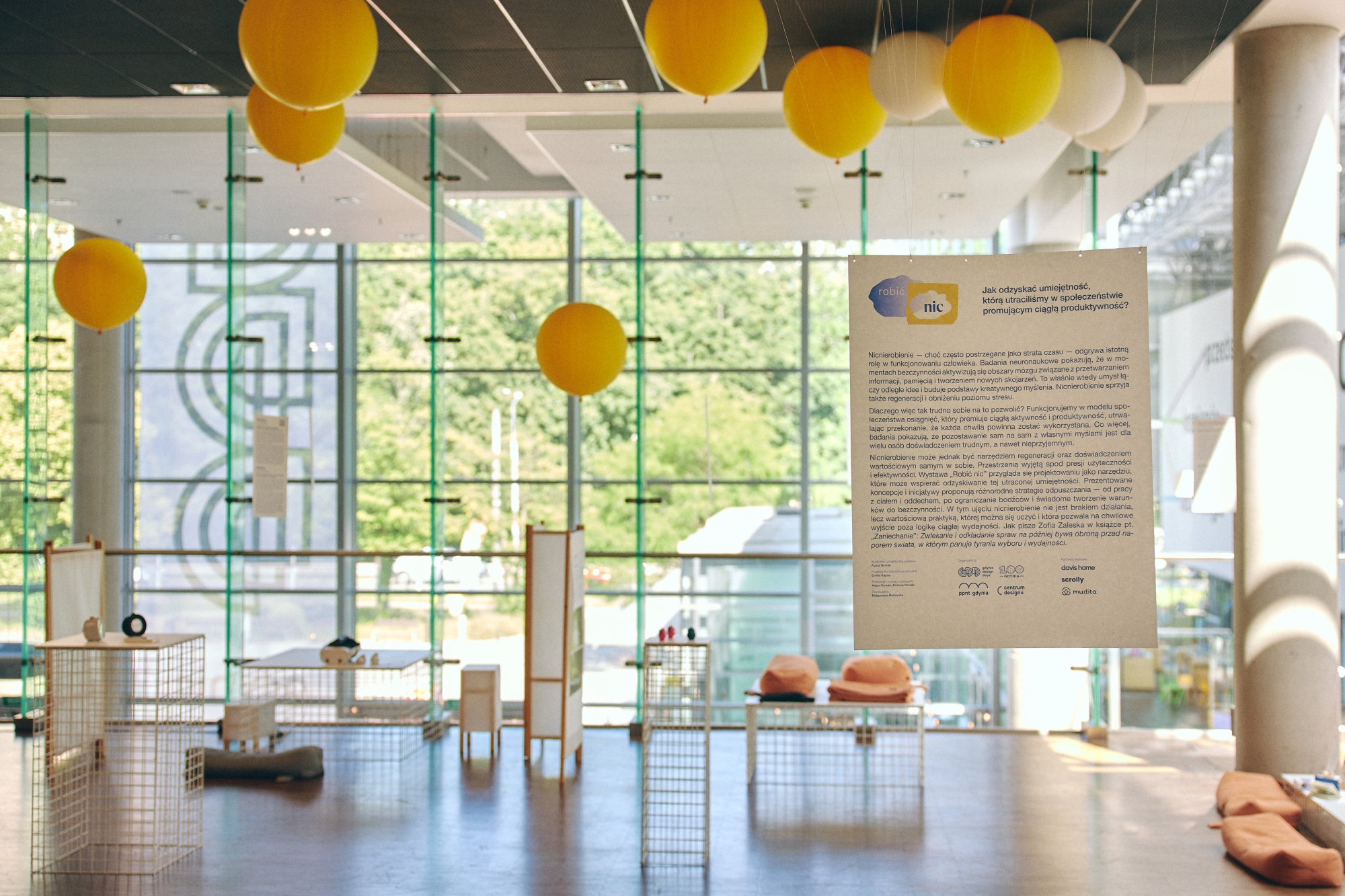
"Doing Nothing" fit naturally into the festival's broader narrative. Through the exhibition, Agata Nowak invited visitors to consider a challenging question: how can we reclaim the ability to do nothing in a society that rewards constant productivity?
Although idleness is often dismissed as wasted time, neuroscience suggests otherwise. Moments of inactivity allow the brain to recover, organize information, and form new connections. Doing nothing also helps reduce stress. Yet many of us find it difficult to spend even a short period of time without a specific task or objective.
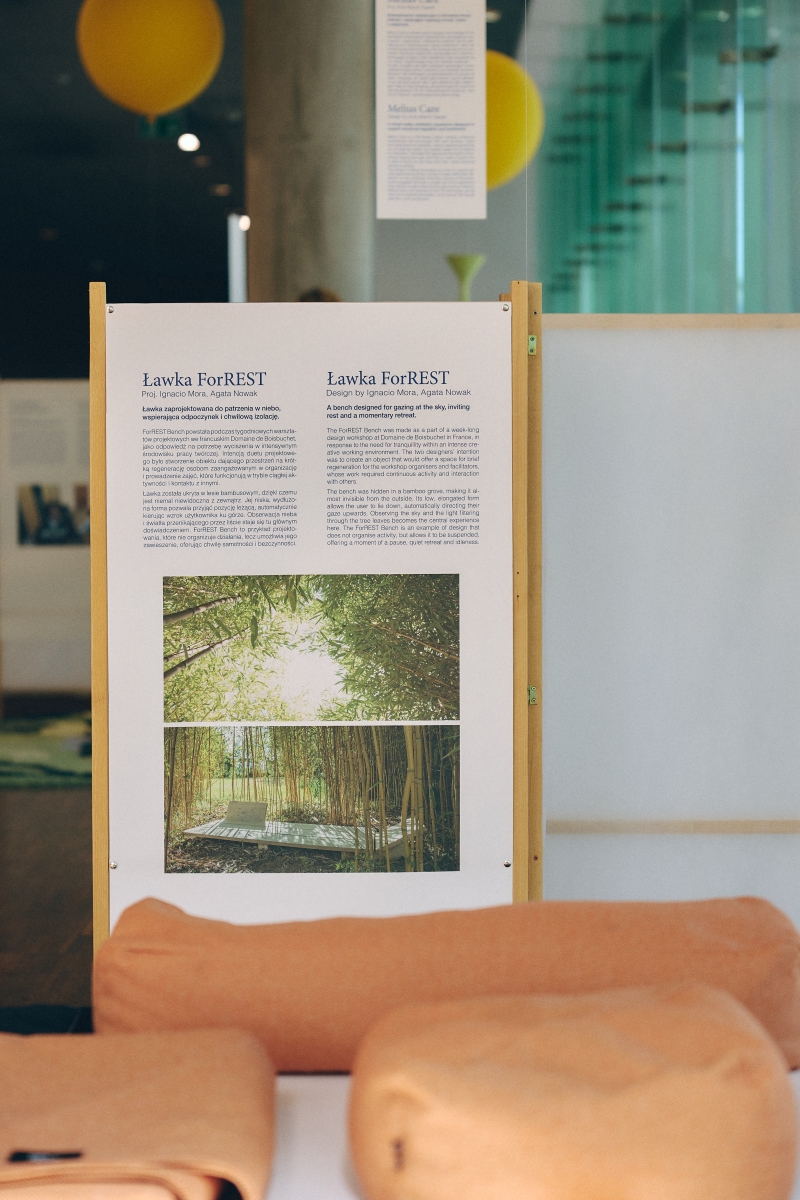
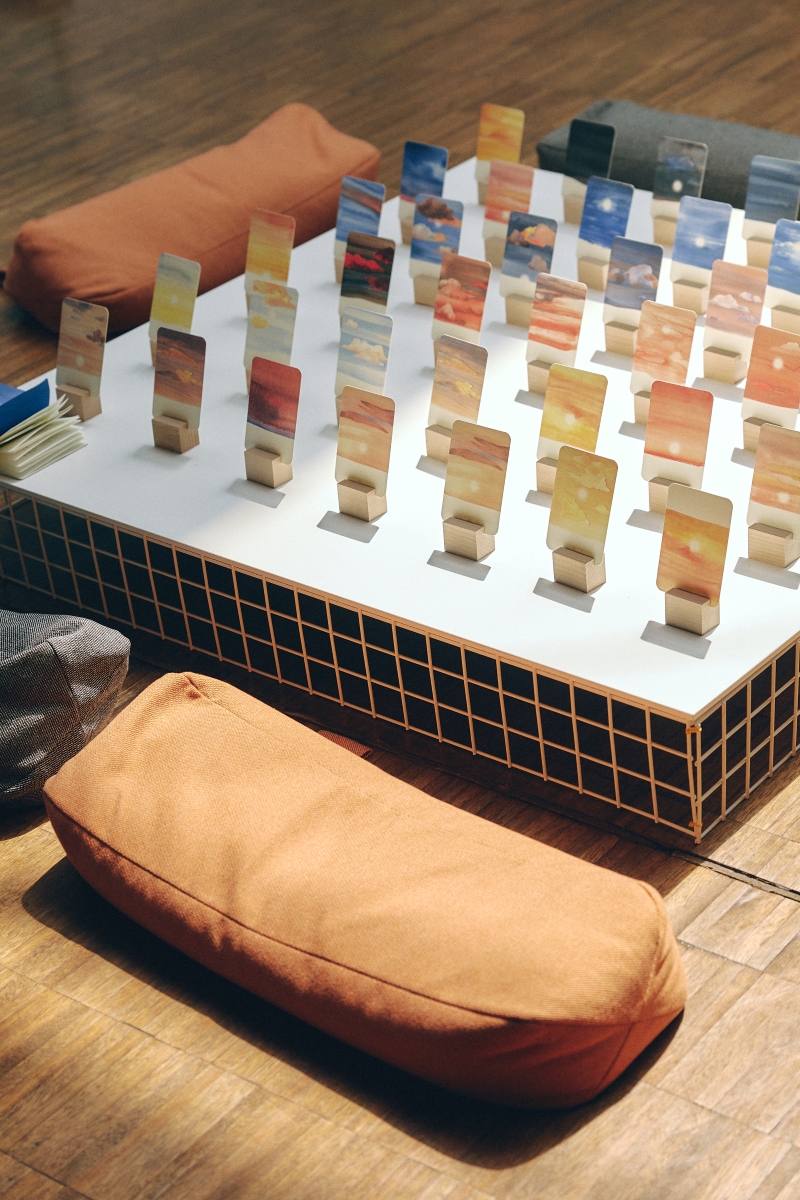
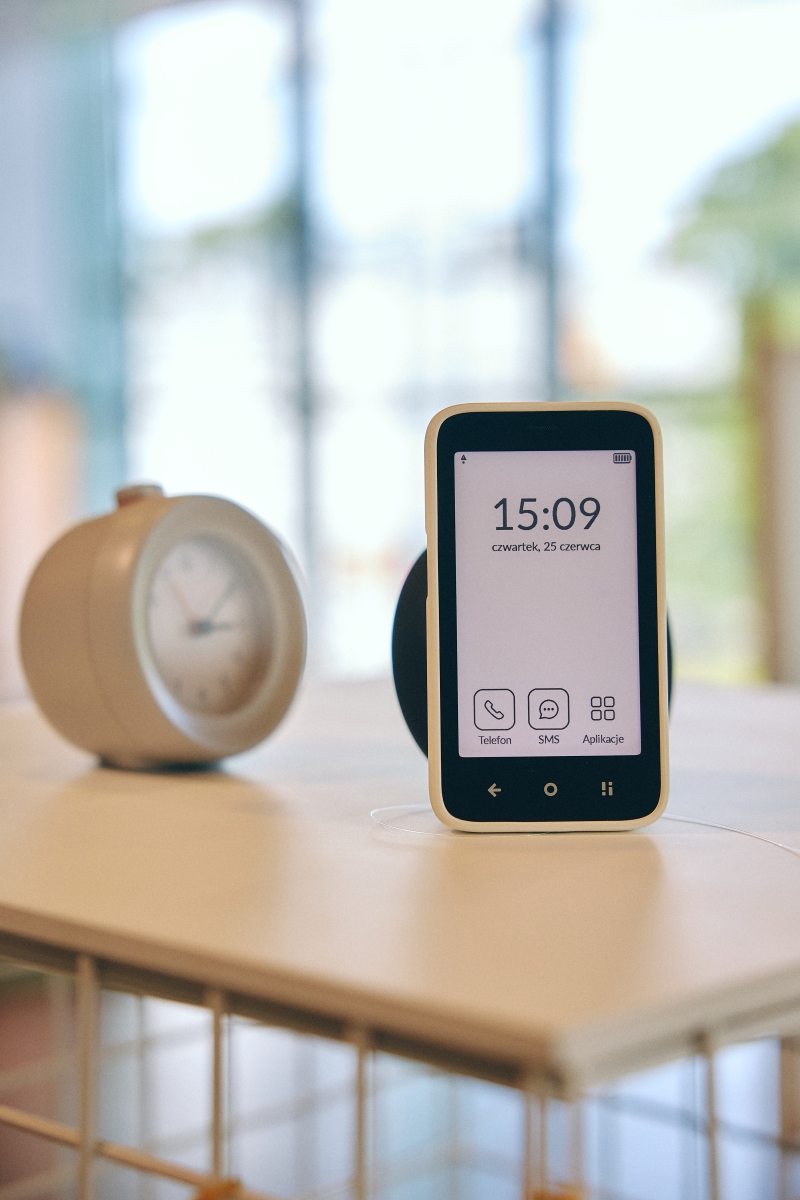
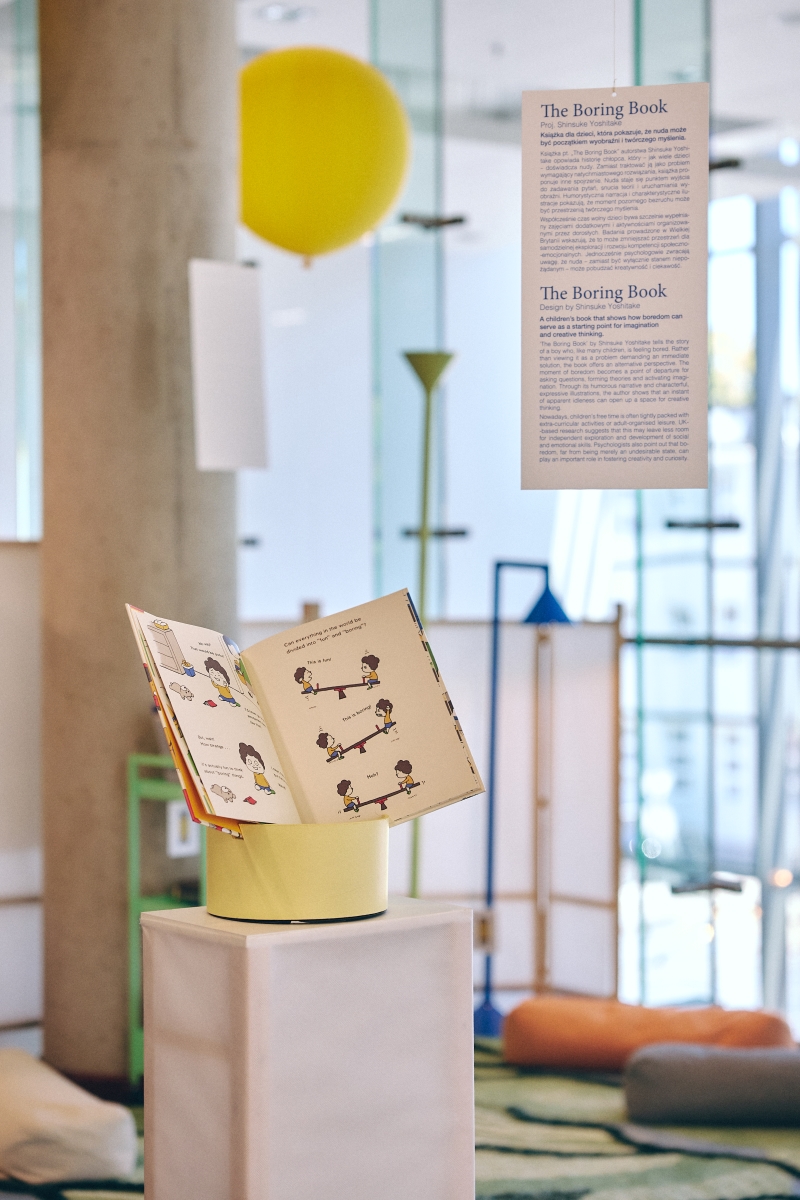
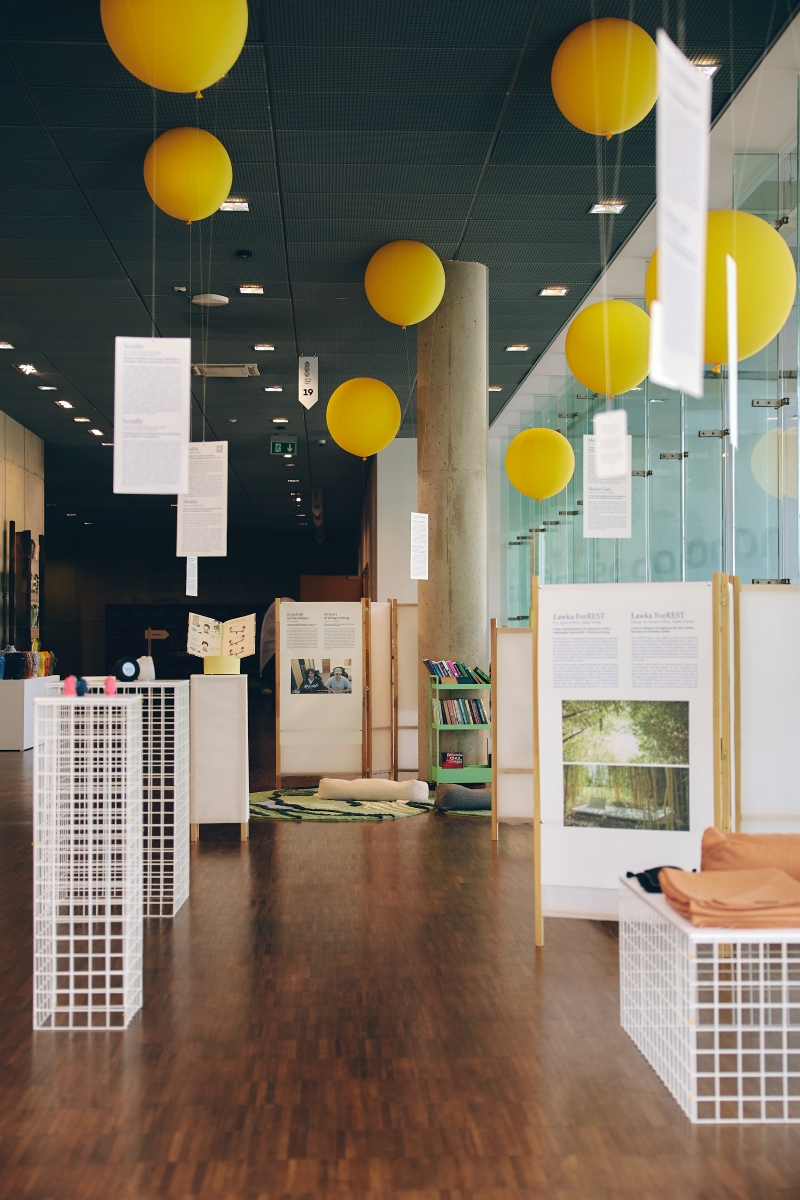
The exhibition presented how design can support restoration and intentional slowing down. The featured concepts and initiatives explored different ways of stepping outside the logic of constant productivity—through working with the body and breath, limiting sensory input, and creating space for meaningful moments of stillness.