Published: 17 March 2026
Designing with the elements: School of Form students in Greece
Author: Magdalena Miszewska
How do you explore a city just by walking through it? Can wind, light, and water actually serve as design tools? And what do ordinary, everyday objects reveal about the world around us? Students from SWPS University’s School of Form traveled to the Greek island of Rhodes to find out. They took part in an ERUA Traveling Seminar—an international workshop that seamlessly blended design, art, and philosophy.
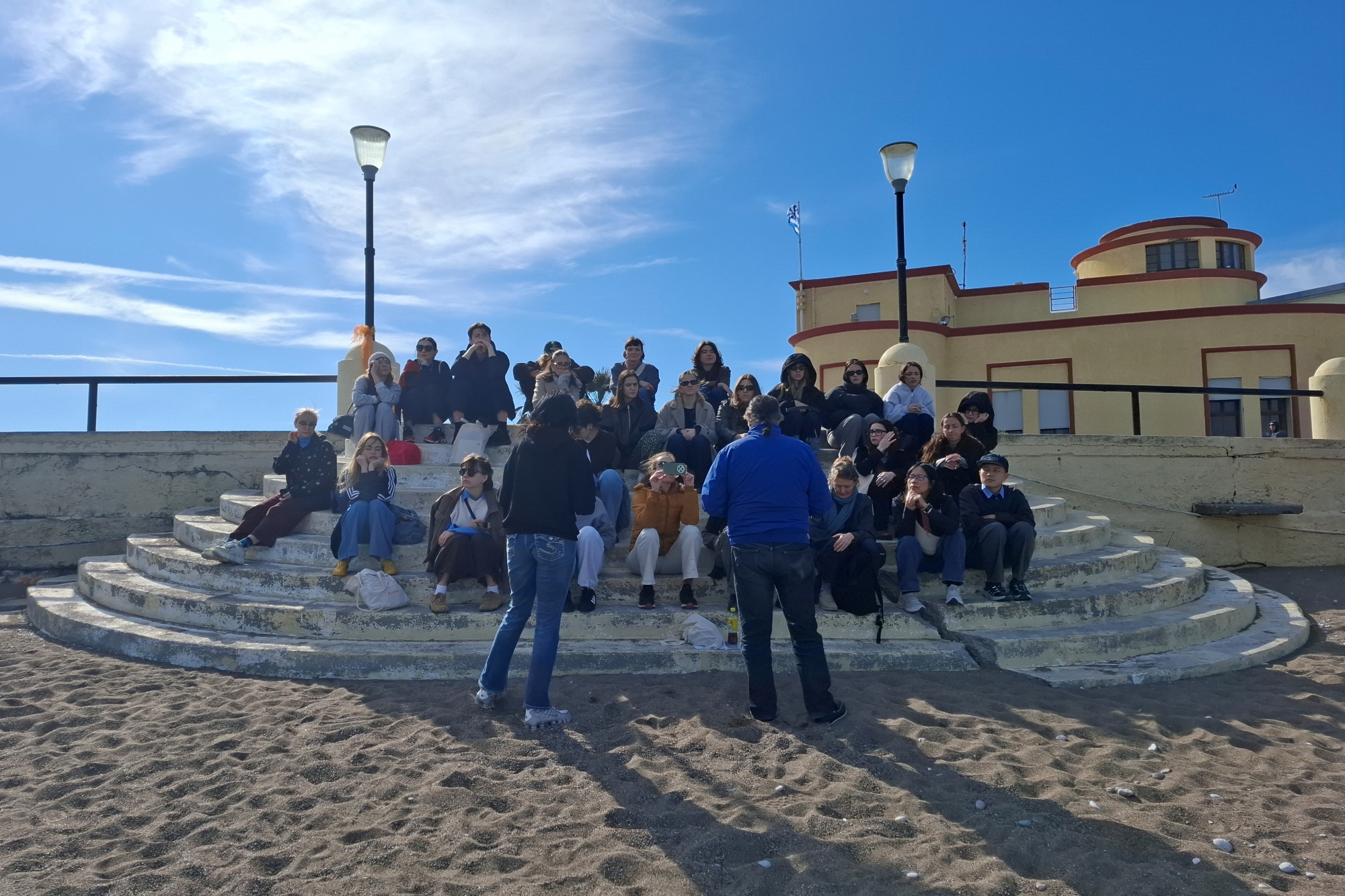
Rhodes as a living design lab
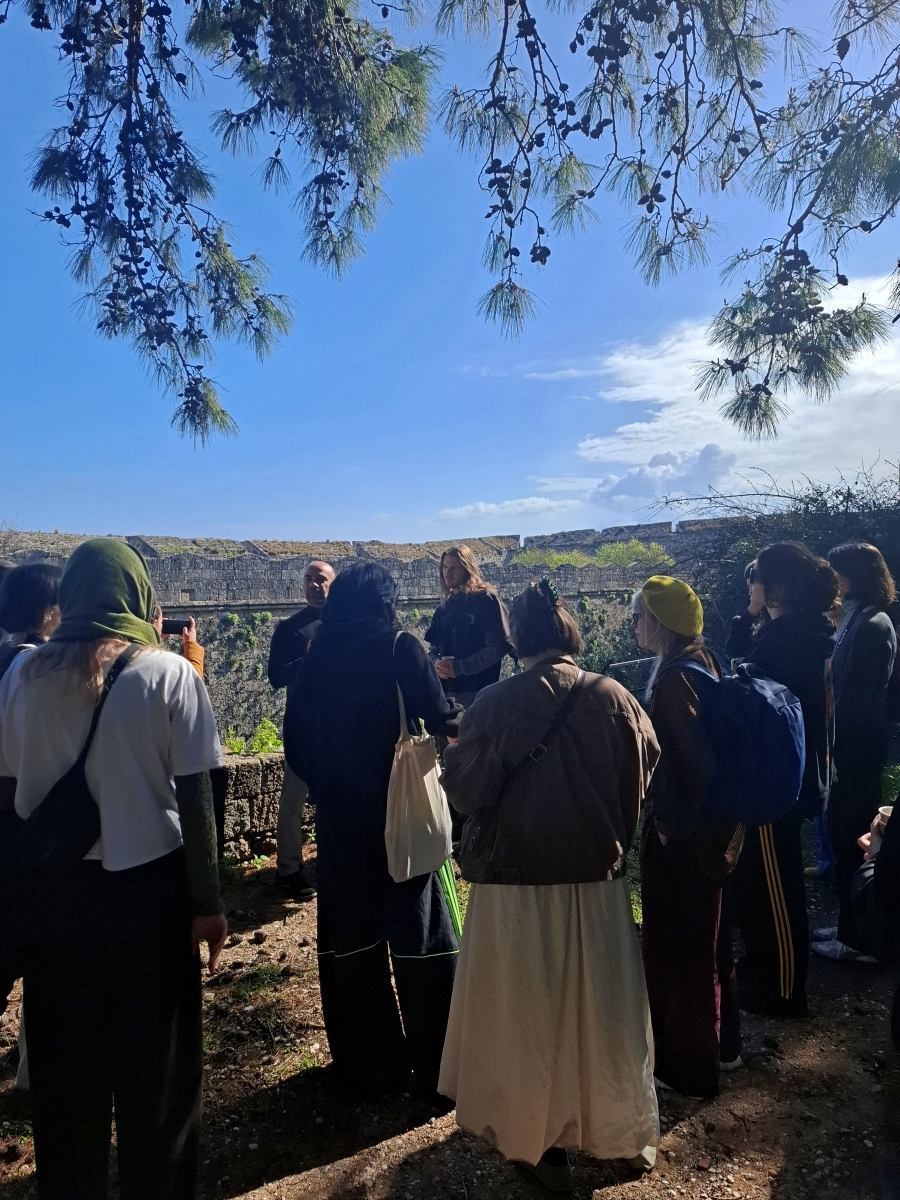
In late February, 14 design students traded their regular classes for the island of Rhodes. For a week, they teamed up with students from the University of the Aegean to explore the city’s rhythm, its boundaries, and the complex relationships between people, nature, and architecture. The project was guided by Dr. Monika Rosińska and Jolanta Starzak from School of Form, alongside Prof. Elena Theodoropoulou and her team from the Laboratory of Research on Practical Philosophy at the University of the Aegean.
The core theme of the workshop revolved around four natural elements: gravity, water, wind, and light. Instead of just observing them, students used these forces as actual research tools to rethink architecture, the environment, and the human experience of the city. The project was inspired by the research notebooks of the Warsaw-based architecture studio Centrala.
For the students, it was the perfect reminder that design doesn't just happen at a desk—it’s an active tool for observation, interpretation, and thinking critically about the world.
Engaging all the senses
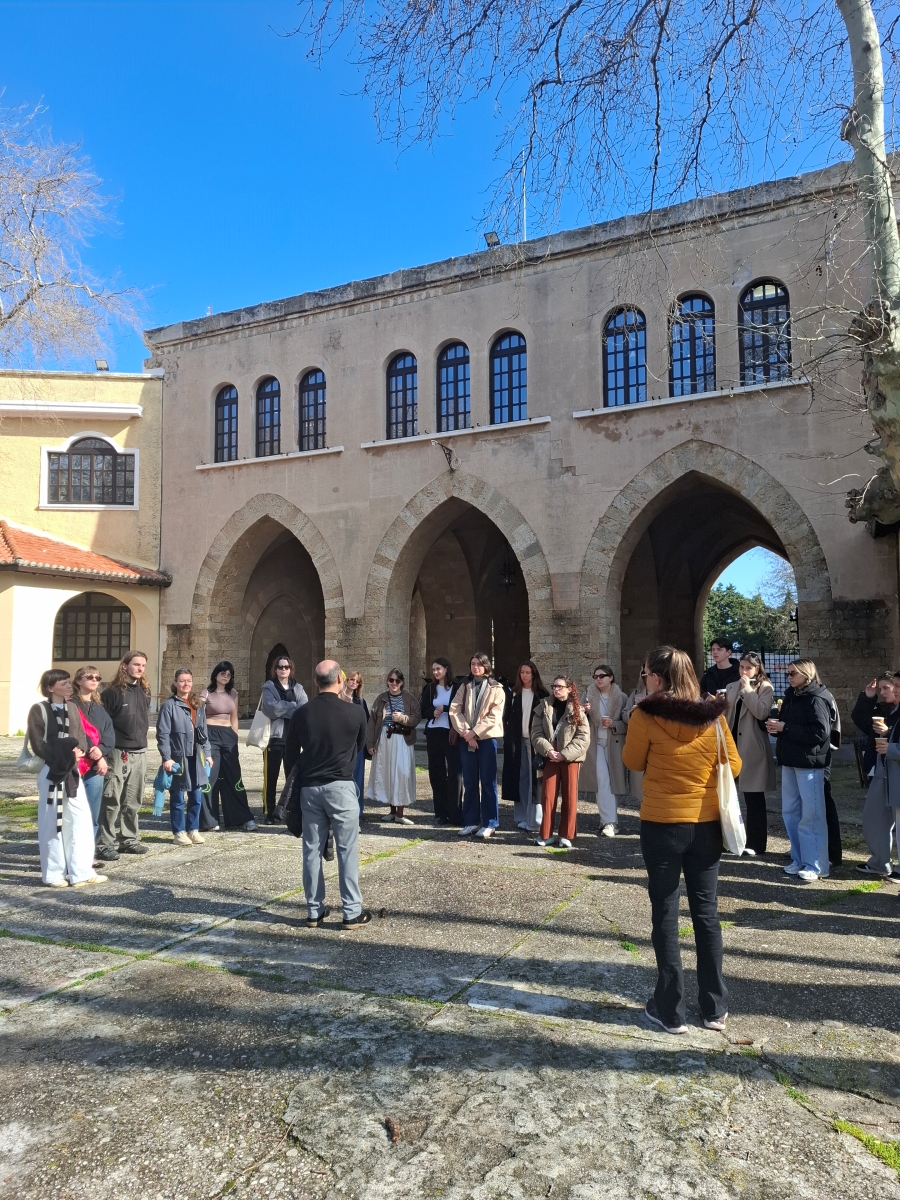
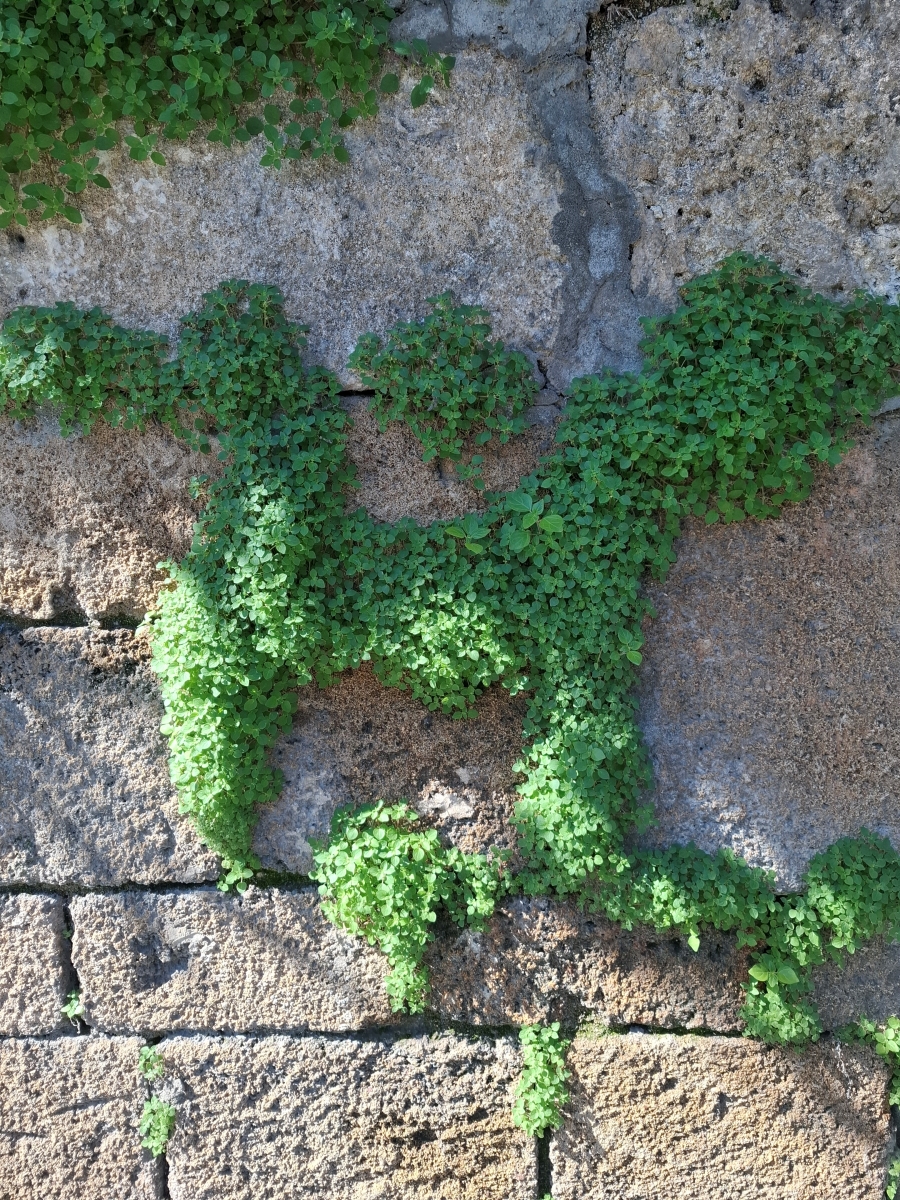
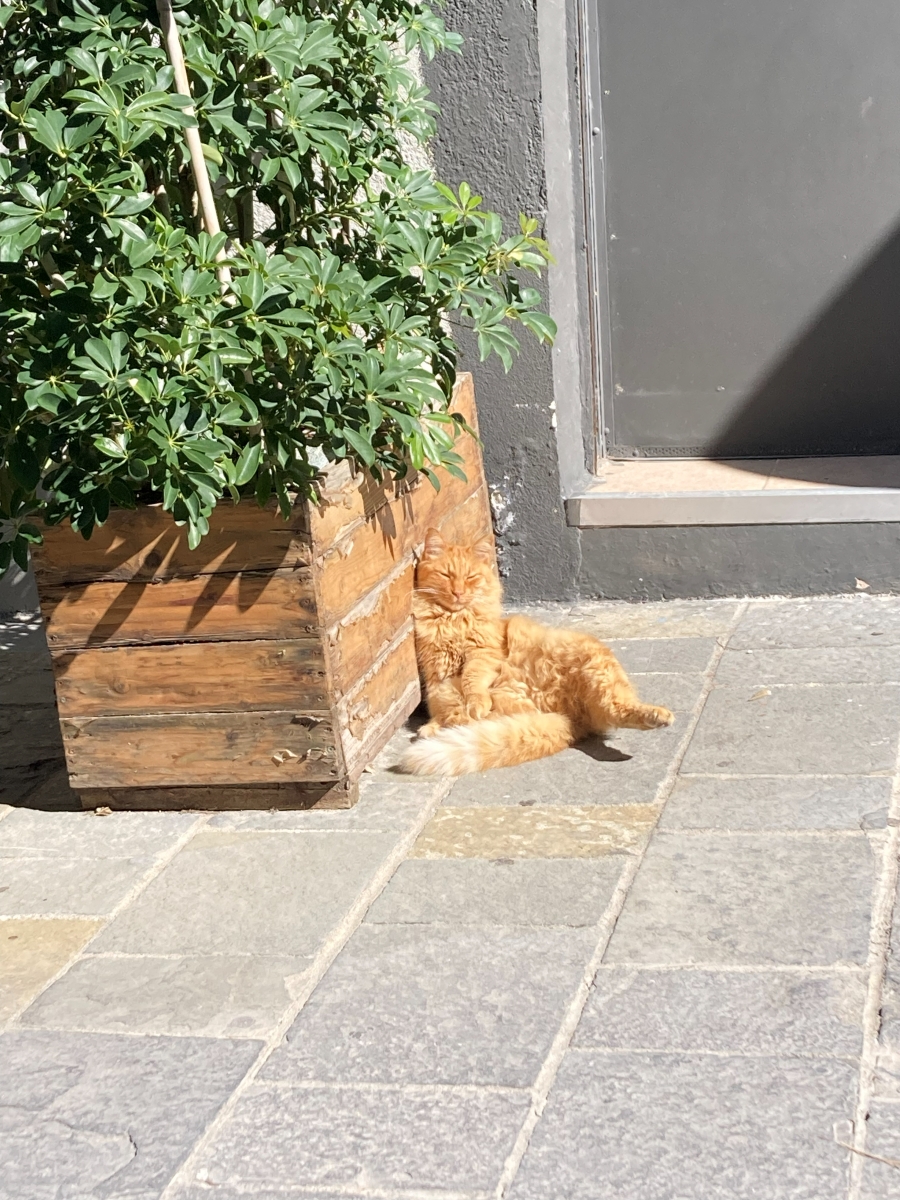
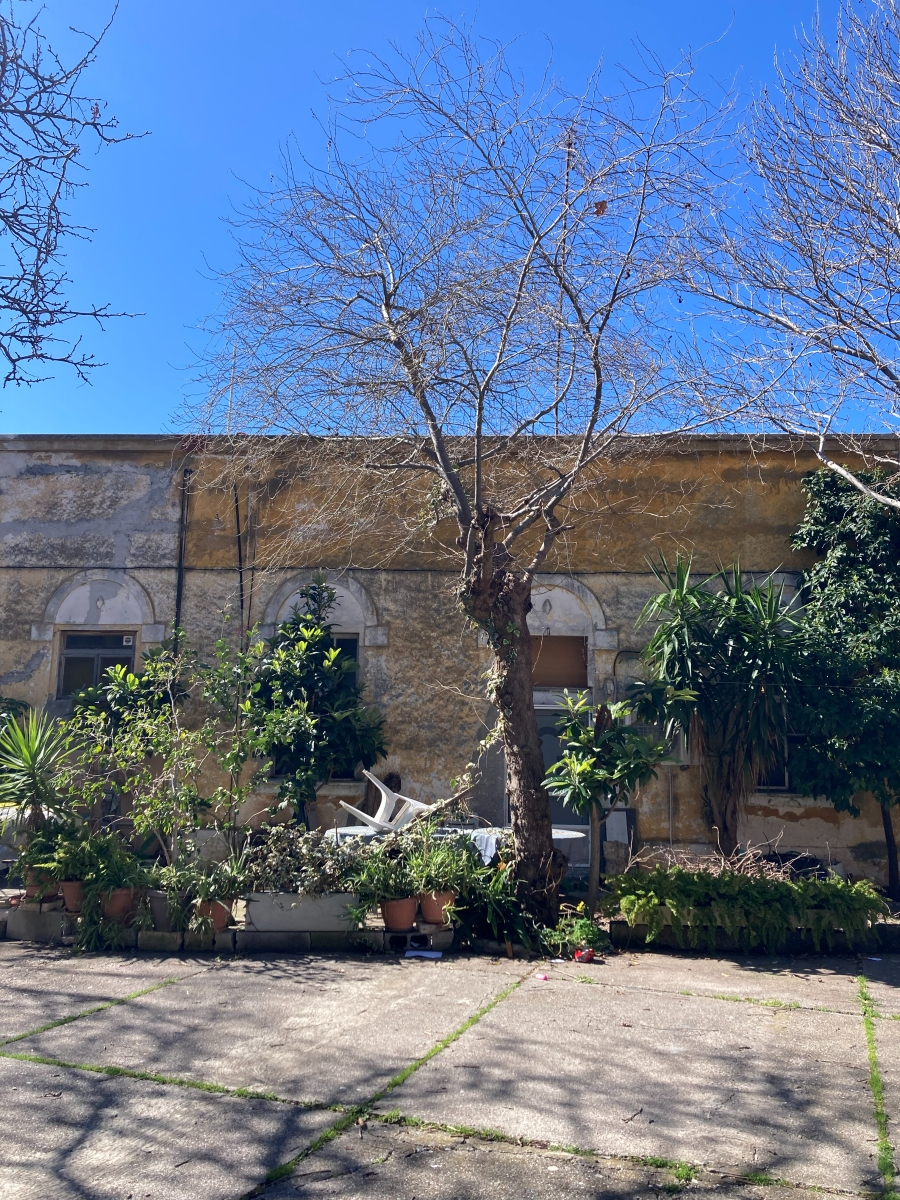
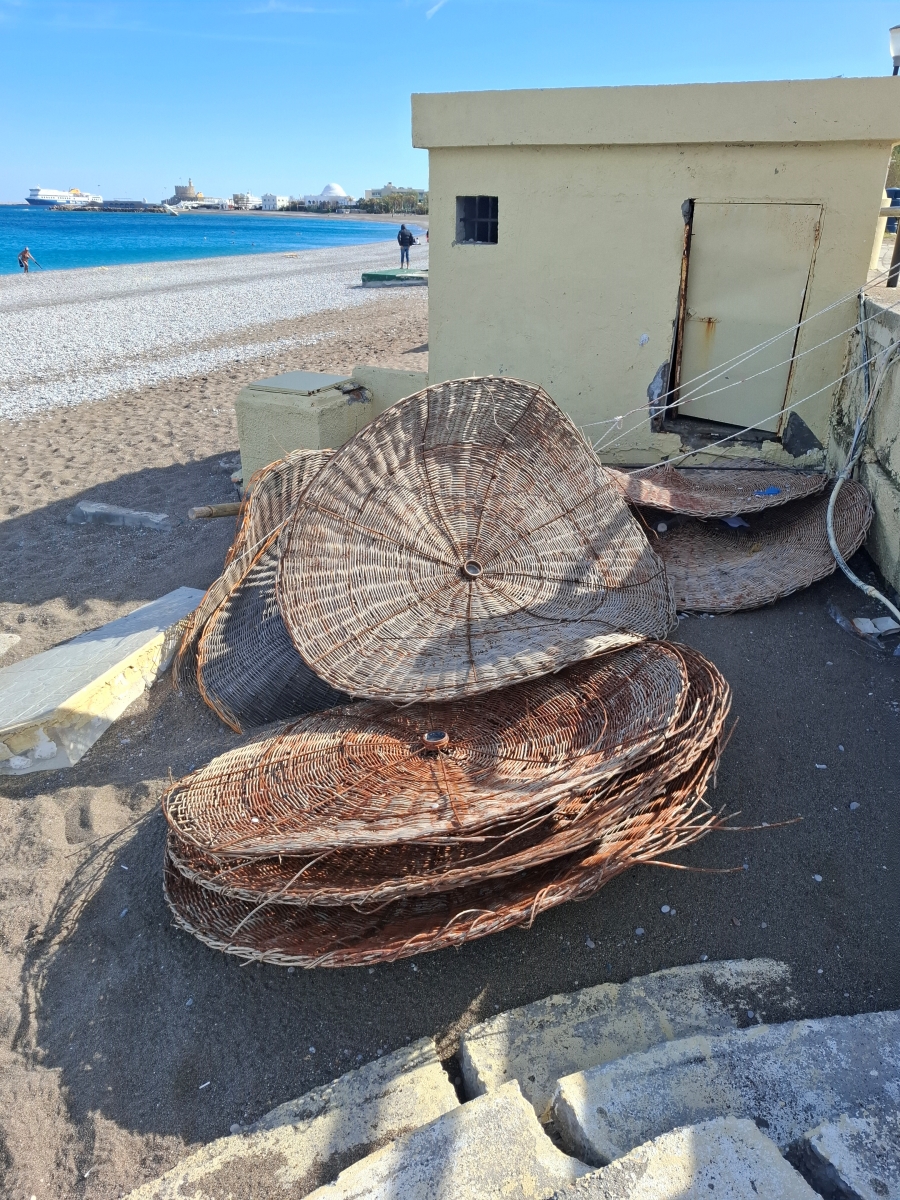
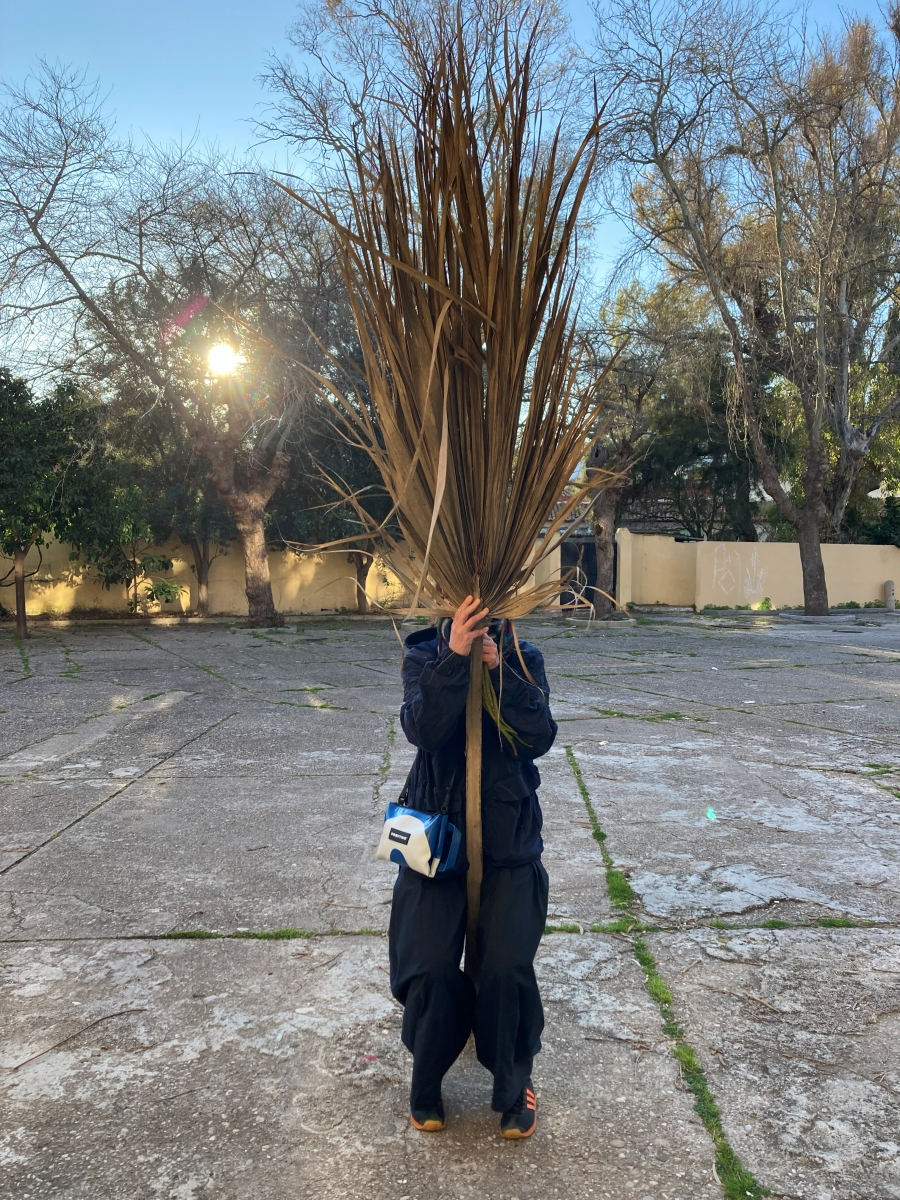
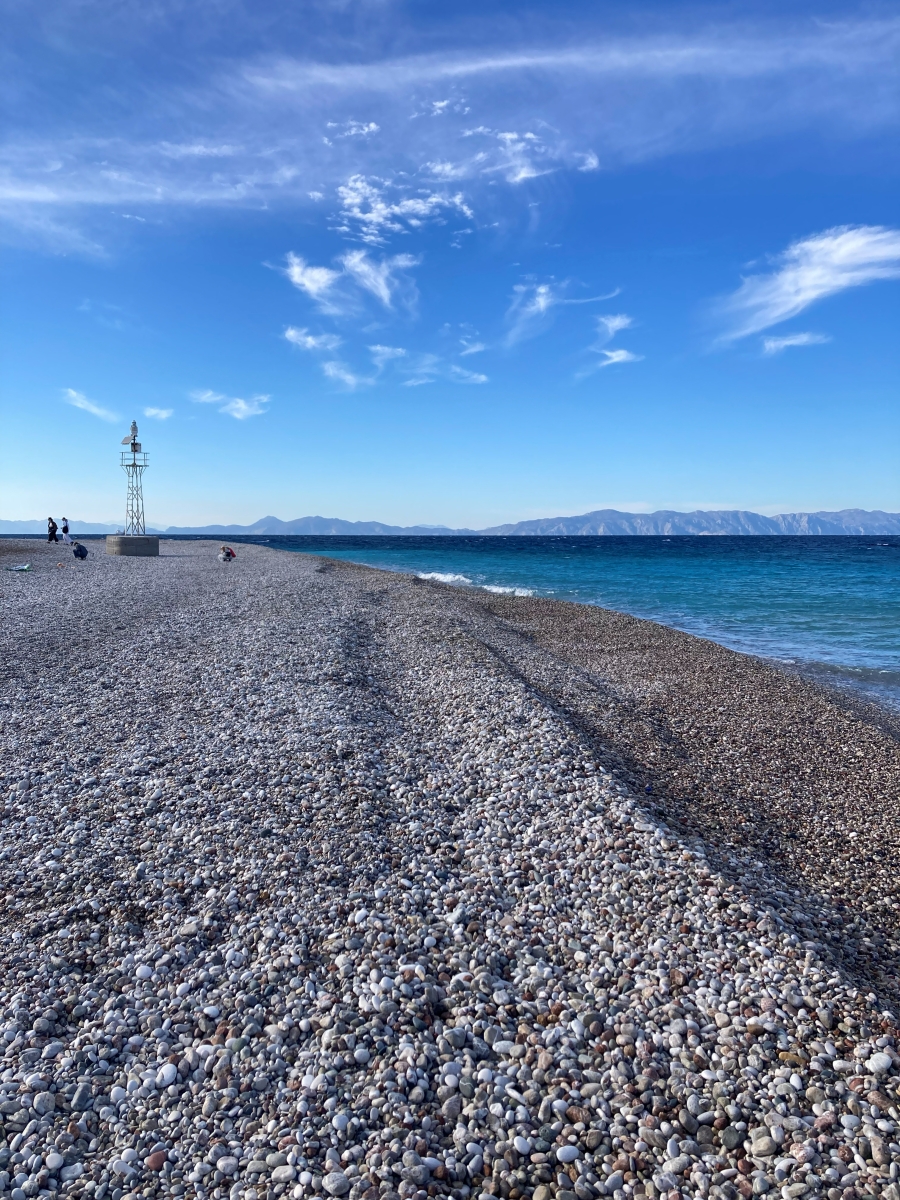
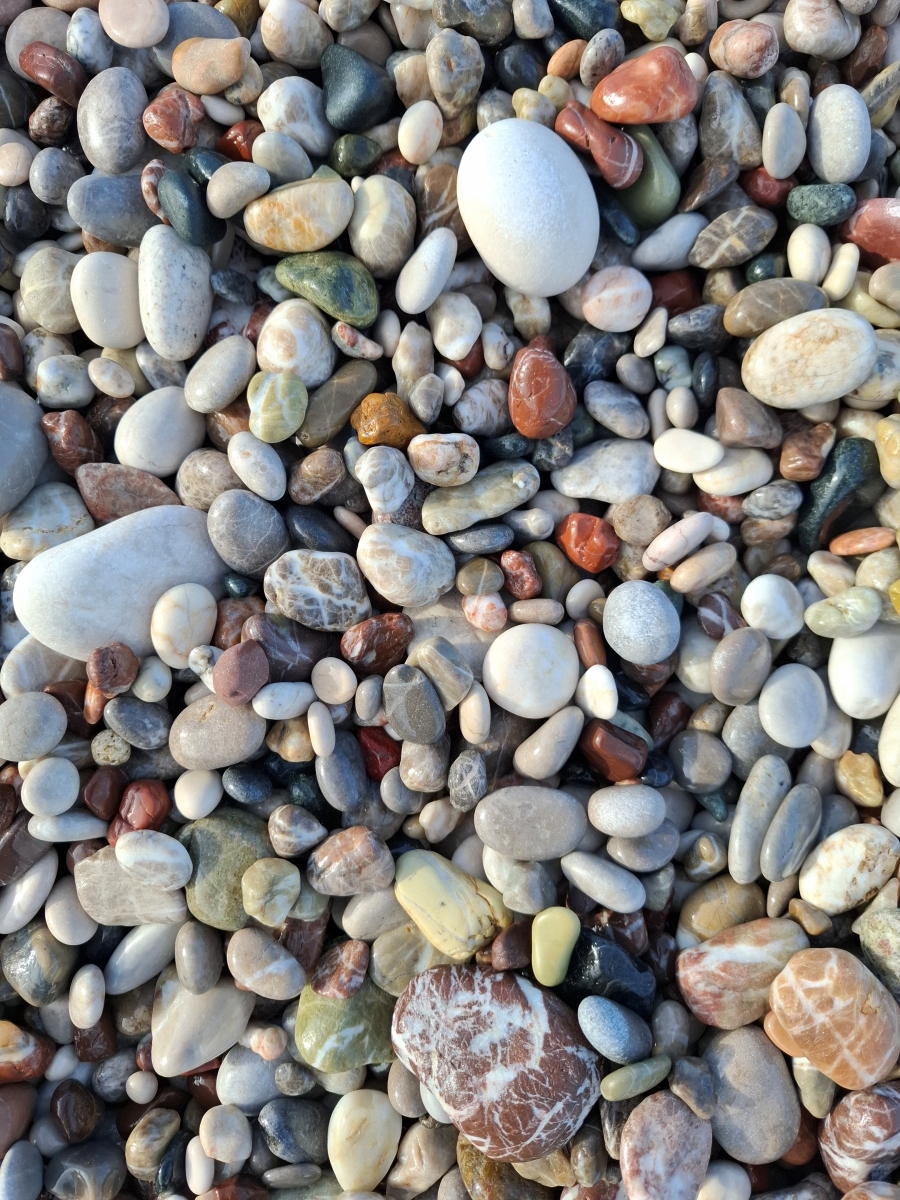
A major part of the program took place right in the city streets. The participants set out on walking workshops and documented their findings through quick sketches, photography, and collecting found objects.
Walking itself became a research methodology. Instead of analyzing the urban space purely through maps or blueprints, the students experienced it with all their senses. They tuned into the sounds of the city, tracked the shifting light and water, and watched how architecture and nature intertwine.
The philosophy of everyday things
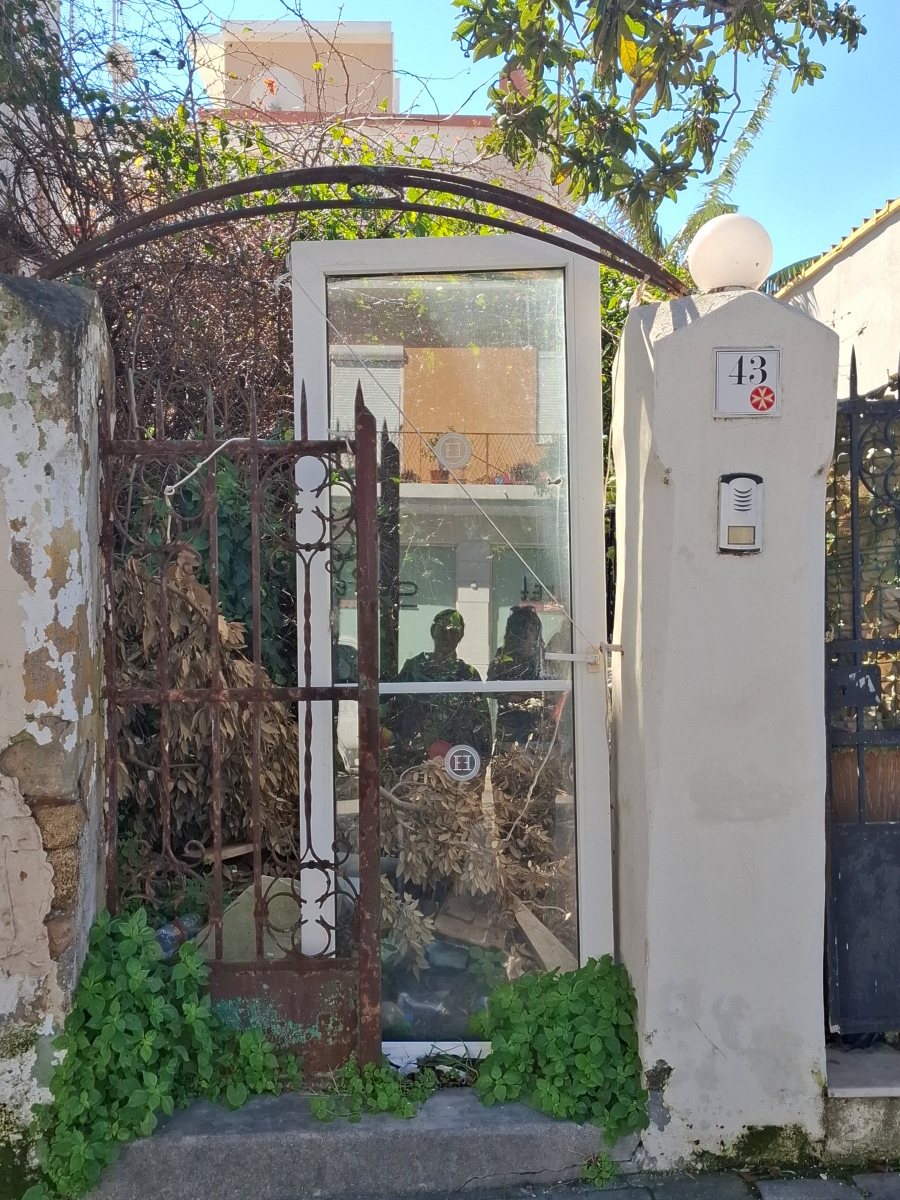
The workshop merged hands-on design practice with philosophical reflection and experimental art. Working with the concept of the "philosophical object," students explored how ordinary things can spark deeper questions about how we interact with space and experience life.
Performative actions were a huge part of the workshop, drawing heavy inspiration from Fluxus—a 1960s art movement famous for blurring the lines between art and everyday life. The participants experimented with movement, shadows, their own bodies in space, and everyday items, searching for entirely new ways to tell stories about the world around them.
The group also visited the Archaeological Museum of Rhodes, analyzing how natural light and gravity completely change the way we perceive ancient sculptures.
Experiences like this build exactly the kind of skills modern designers need most: sharp observation, an interdisciplinary mindset, openness to experimentation, and the readiness to look for non-obvious solutions.
Global connections that last
The trip to Rhodes wasn’t just about the creative grind; it was about building genuine relationships and sharing experiences across different academic and cultural backgrounds. The collaborative vibe proved that design is a universal language that connects people, no matter where they’re from or what they study.
The final outcome of the workshop? A custom, limited-edition silkscreened zine showcasing the found objects, field notes, and traces of the entire creative research process. And this is just the beginning—the collaboration between the universities is set to continue with new projects next year.
