Published: 3 June 2025
Act of waiting carved in wood: Polish exhibition at London Design Biennale 2025
Author: Editorial Team
Opening on June 5 in the Polish Pavilion at the London Design Biennale, the “Records of Waiting: on Time and Ornament” exhibition is a multilayered art and research project. It draws on the traditions of woodcarving to explore the paradoxes of our contemporary experience of time—caught between constant acceleration and enforced suspension. The exhibition is co-created by sociologist Dr. Monika Rosińska and architect Maciej Siuda, lecturers at SWPS University’s School of Form.
Polish art installation in London
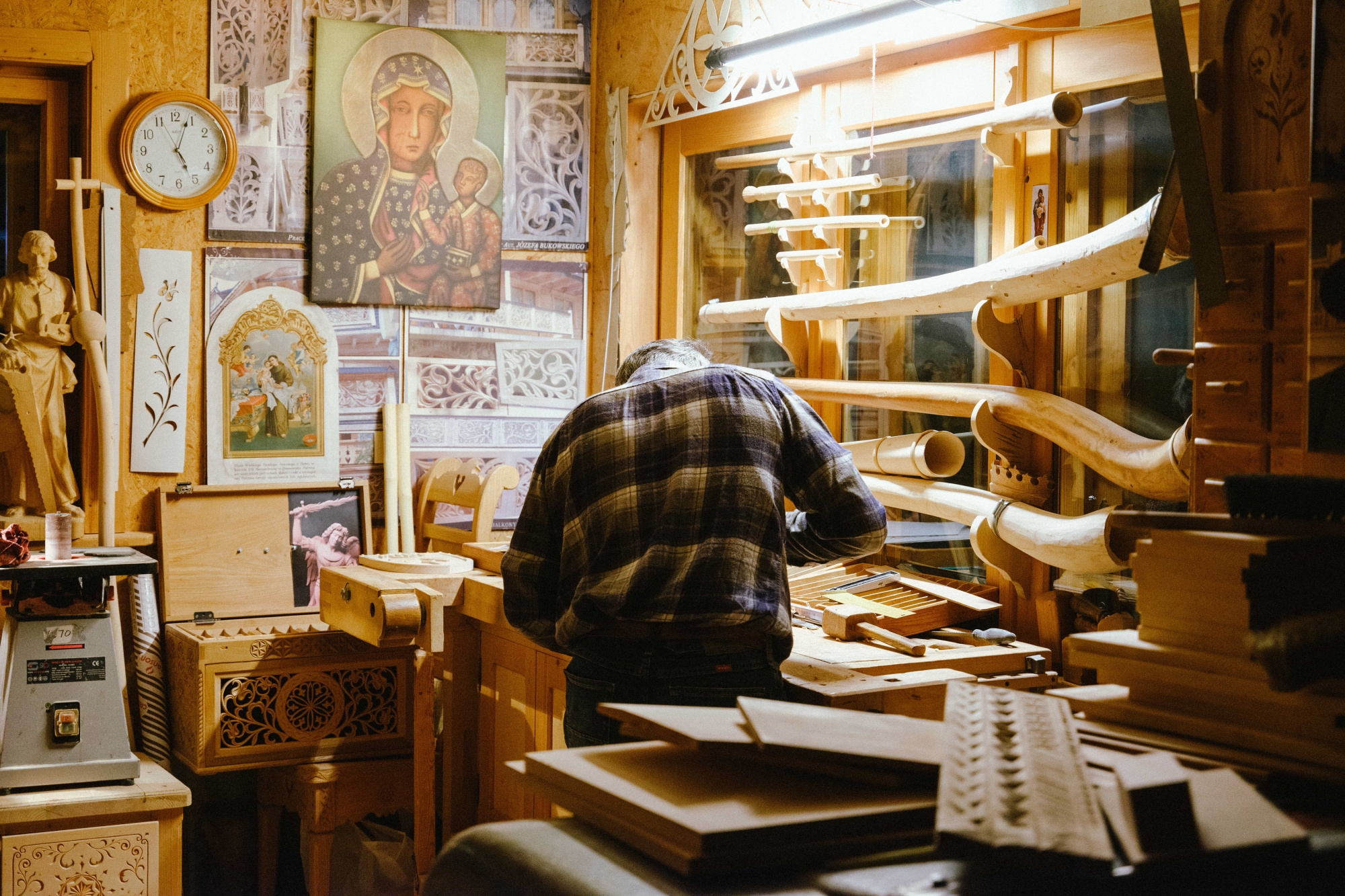
This year’s London Design Biennale, themed Surface Reflections, runs from June 5 to 29, 2025. The Polish Pavilion’s exhibition, “Records of Waiting,” is curated by Dr. Monika Rosińska and Maciej Siuda (School of Form) together with Jakub Gawkowski (Muzeum Sztuki in Łódź). The installation is handcrafted by woodcarvers from the Podhale region in southern Poland, known for its rich highland traditions and distinctive folk art. The project is presented by the Adam Mickiewicz Institute, with funding from the Polish Ministry of Culture and National Heritage.
Ornaments as timekeepers
The inspiration for the exhibition came from łyżniki—decorative wooden racks traditionally found in Polish homes, designed to hold cutlery and dishware.


We asked ourselves what was truly distinctive in the history of Polish design. That led us to łyżniki, which in turn opened the door to exploring traditional craft culture. Łyżniki were carved in highland cottages, often by shepherds. Their simple geometric patterns reflected a unique relationship with time. They were made during moments of pause—while watching over grazing sheep in the summer or during the winter, when they had a little more time. We were fascinated by this link between carving, crafting, and ornamentation as something born from a surplus of time—or in modern terms, from simply waiting.
Monika Rosińska, Ph.D. / Assistant Professor
sociologist and lecturer at School of Form
The paradox of modern life: acceleration and downtime
The installation reimagines woodcarving as a tool to explore the emotional and social dimensions of waiting in our modern fast-paced world.
Metaphorically speaking, we have portrayed 12 modern-day shepherds—people who, for political, social, psychological, or professional reasons, are stuck waiting.
Maciej Siuda
architect, lecturer at School of Form
Each sculpture corresponds to a specific real-life waiting scenario: a taxi driver between rides, a migrant waiting for residency papers, a person seeking psychiatric care from the public health system, or a farmer waiting for rain.
Waiting is a powerful lens for examining the paradoxes of modern life. On one hand, we all feel the pressure of acceleration driven by rapid technological and social changes, along with the fast pace of everyday life. On the other hand, this very acceleration often leads us into periods of suspension—i.e. situations where we are left waiting for documents, as bureaucratic processes operate on their own timelines, which rarely match our expectations. Similarly, we encounter delays in traffic or while standing in lines. We often feel like we either don’t have enough time or have too much of it—rarely does it feel just right.
Monika Rosińska, Ph.D. / Assistant Professor
sociologist and lecturer at School of Form
Crafting a new visual language
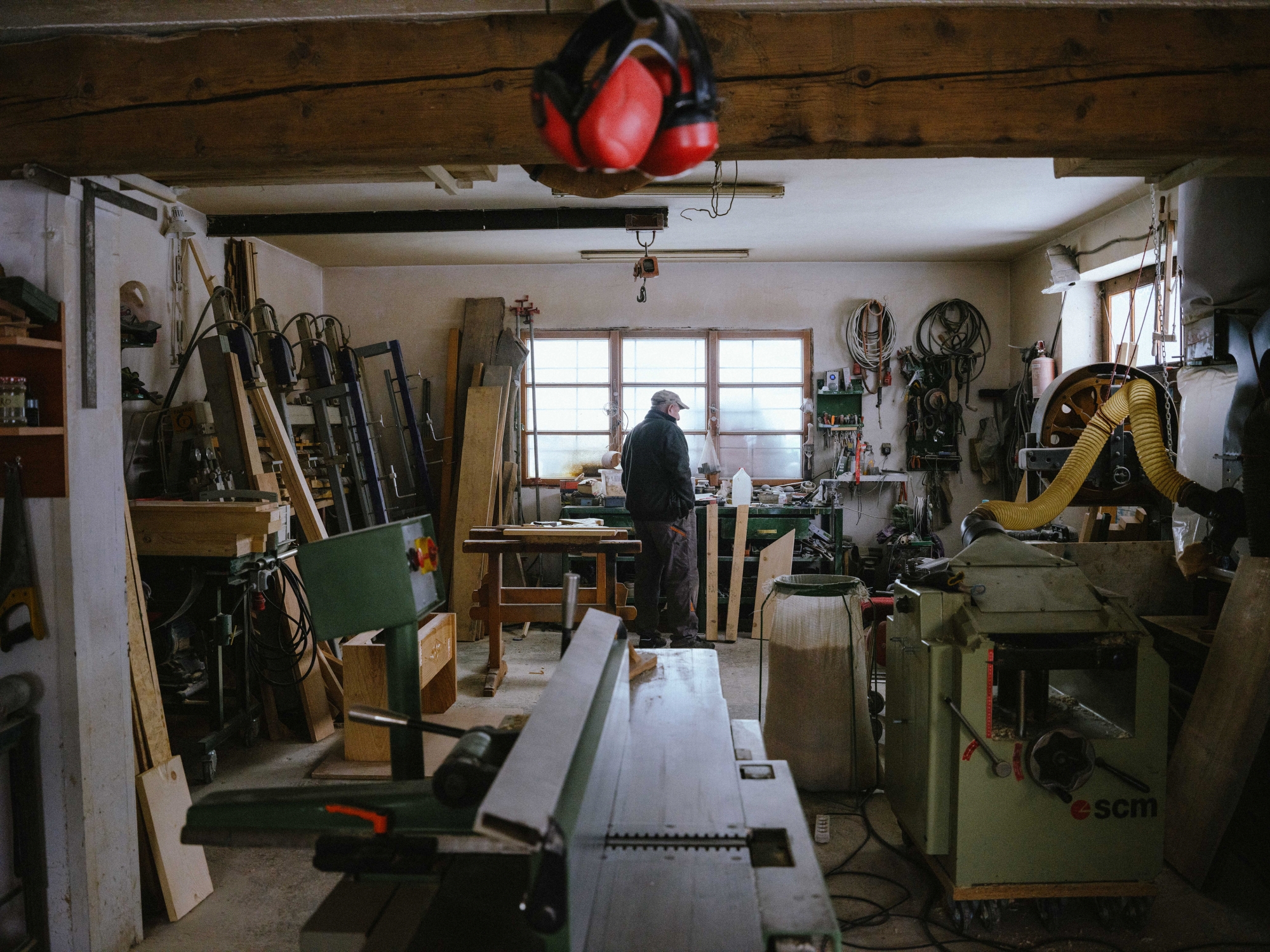
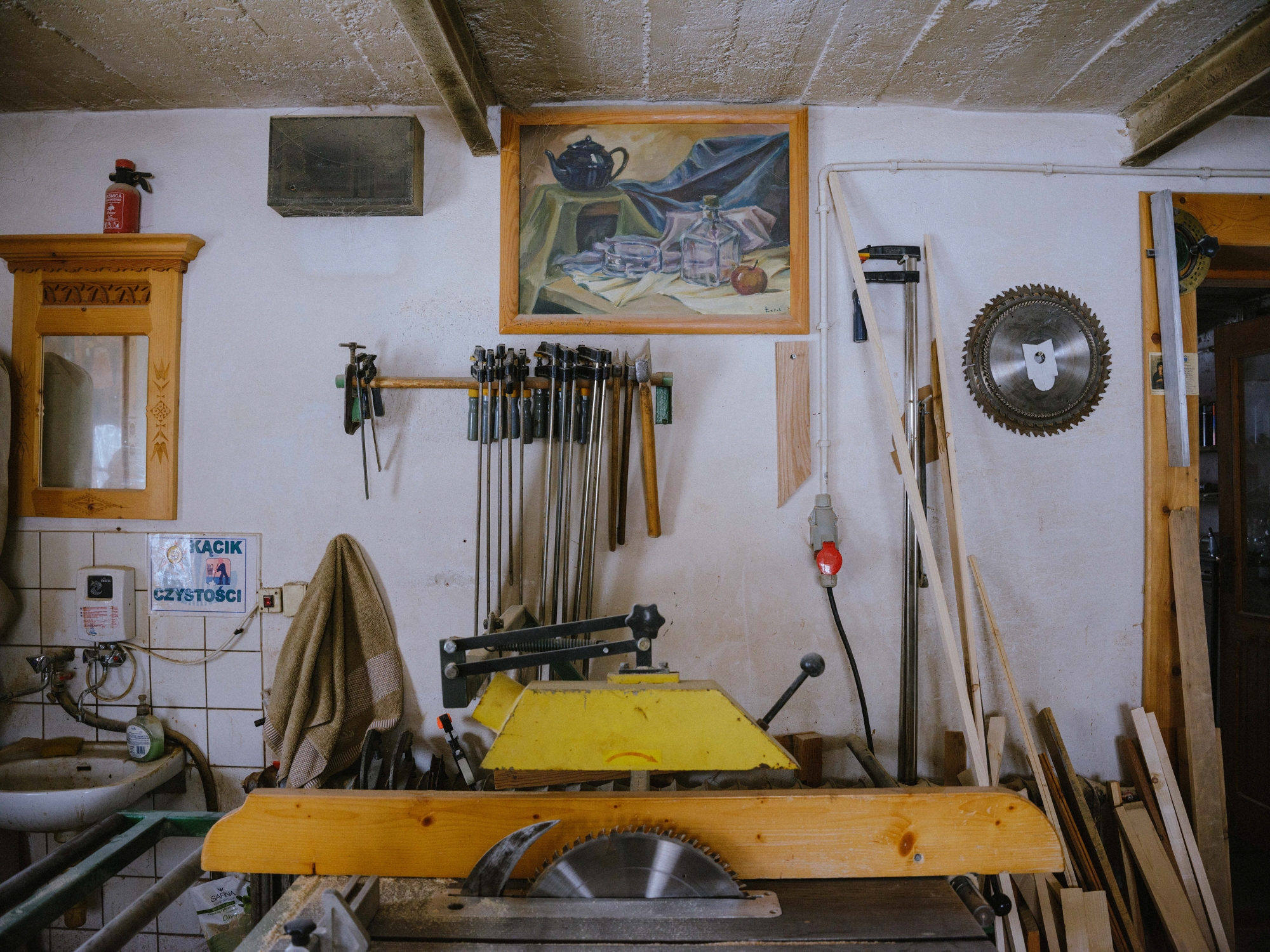
Around 20 individuals from the Podhale region contributed to the exhibition, including skilled woodcarvers and students from two schools in Zakopane. Some pieces were created by entire woodcarving families—such as the Rząsa and Kassowski families—who worked together across three generations. However, the creators of “Records of Waiting: on Time and Ornament” emphasize that although the installation draws inspiration from woodcarving traditions, it does not represent a traditional highlander style.
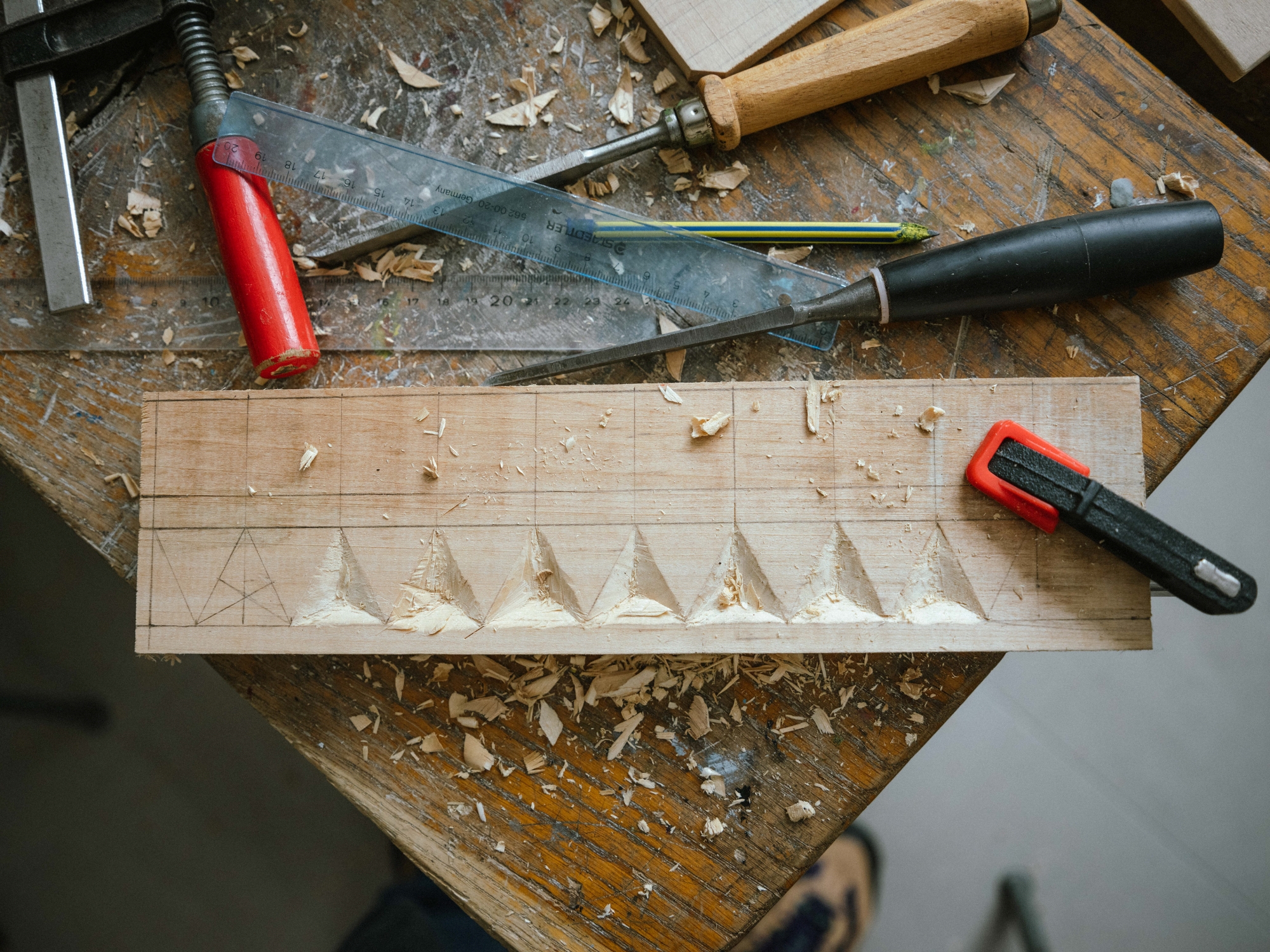
The subject matter we chose made us rethink woodcarving—not as a decorative tradition, but as a method for recording time. This isn’t a Podhale-style installation. We use the techniques and aesthetics of woodcarving, but treat them like a visual language or an alphabet. We deconstruct and analyze the basic elements of this craft, then reassemble them into new languages, patterns, and expressions.
Maciej Siuda
architect, lecturer at School of Form
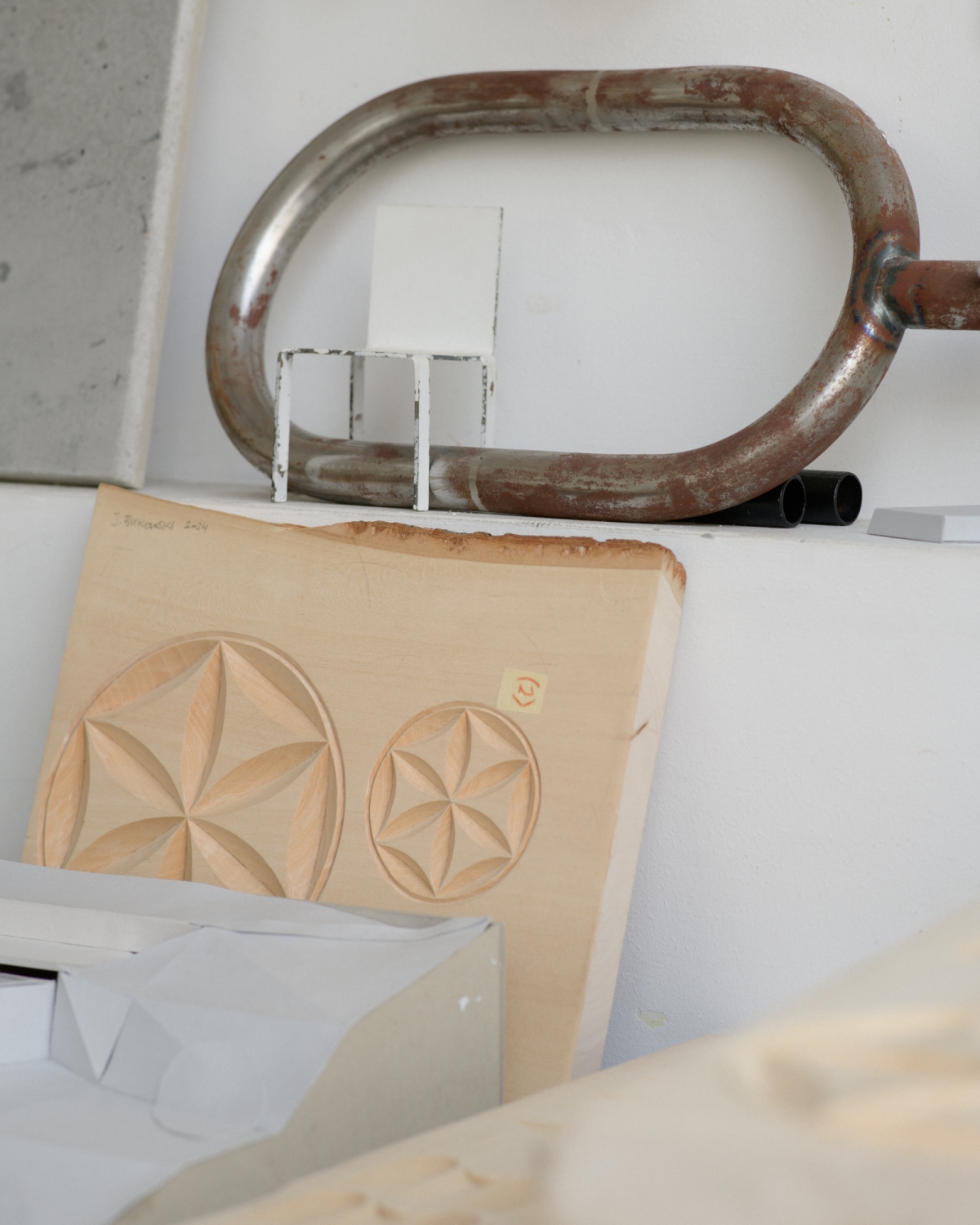
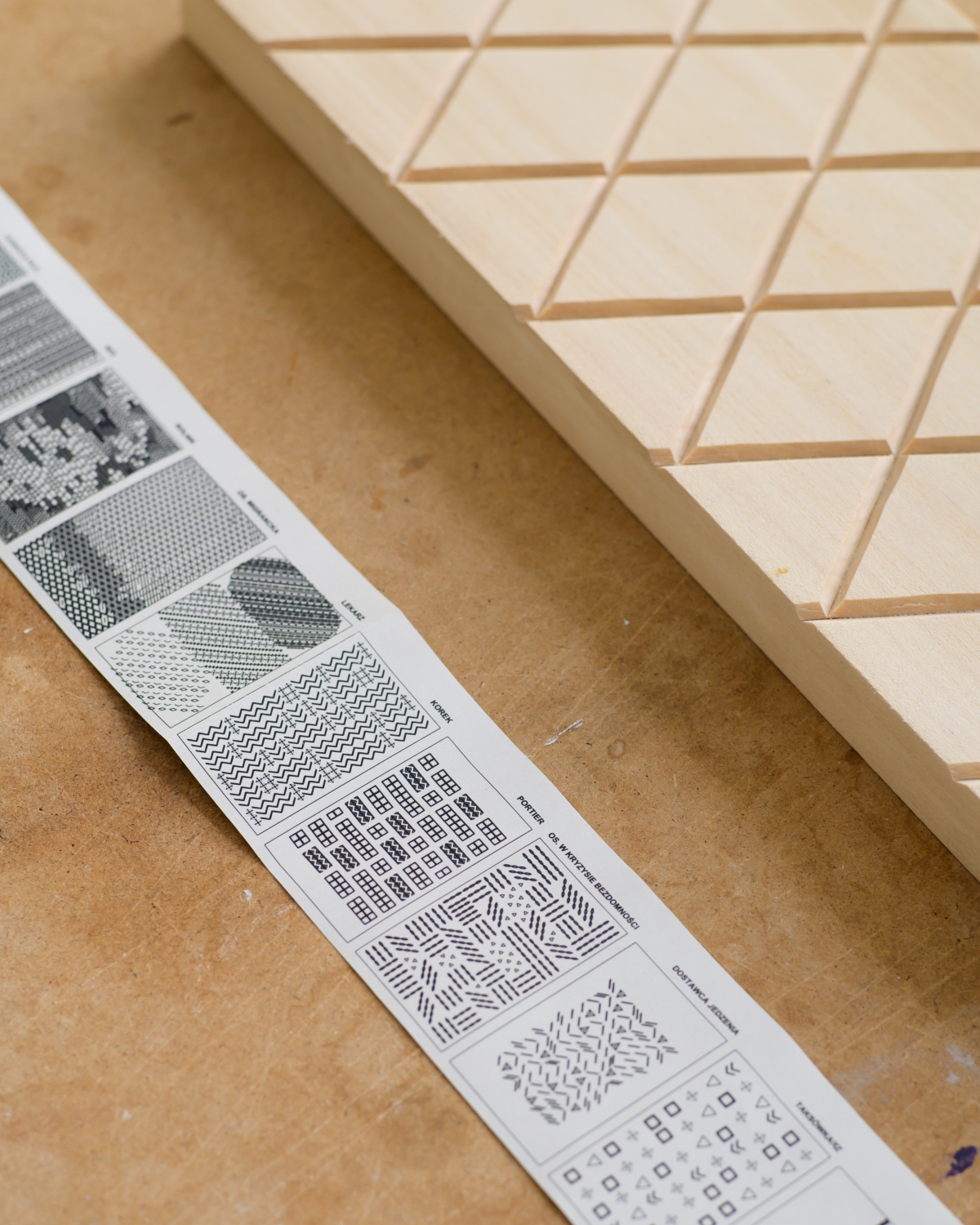
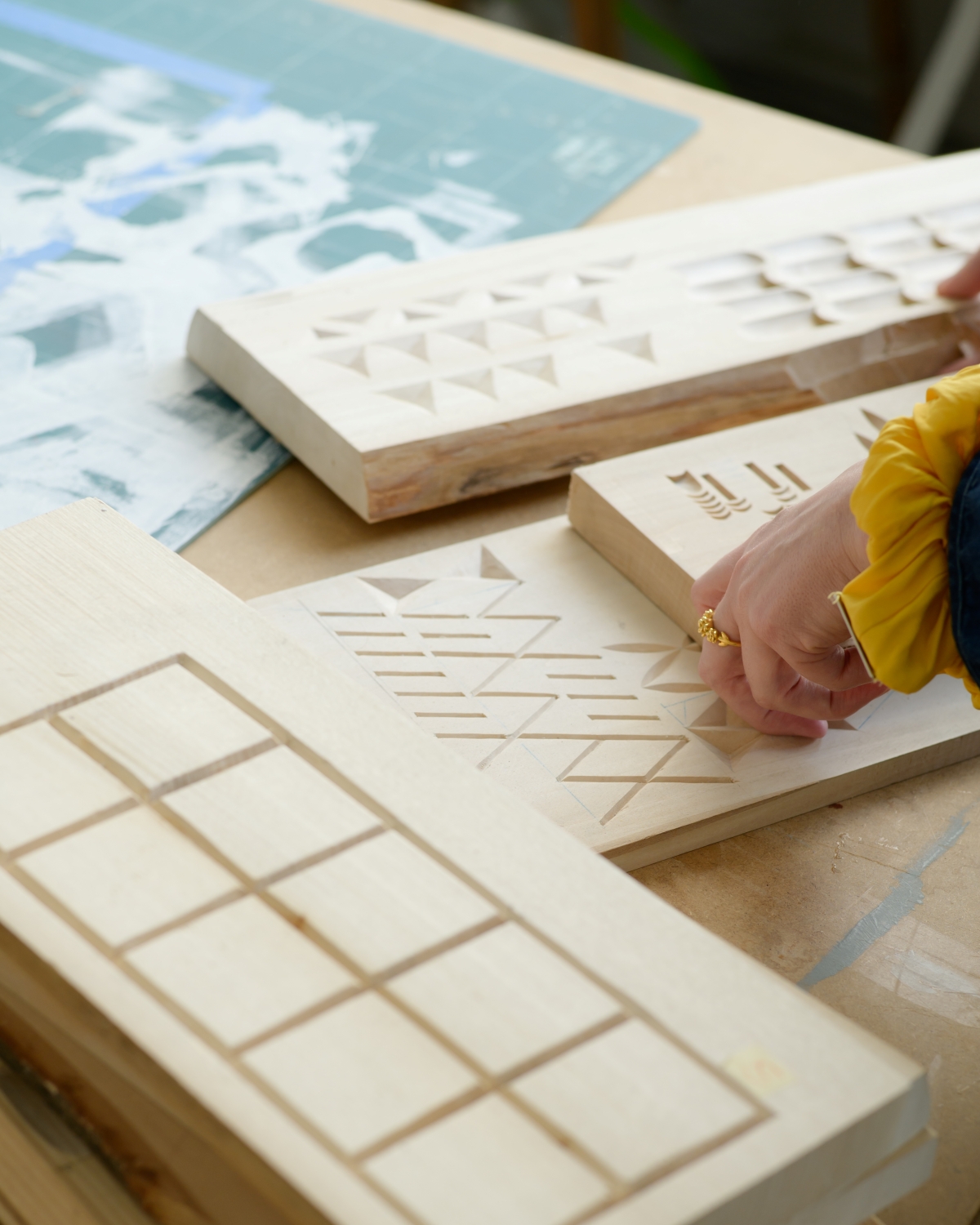
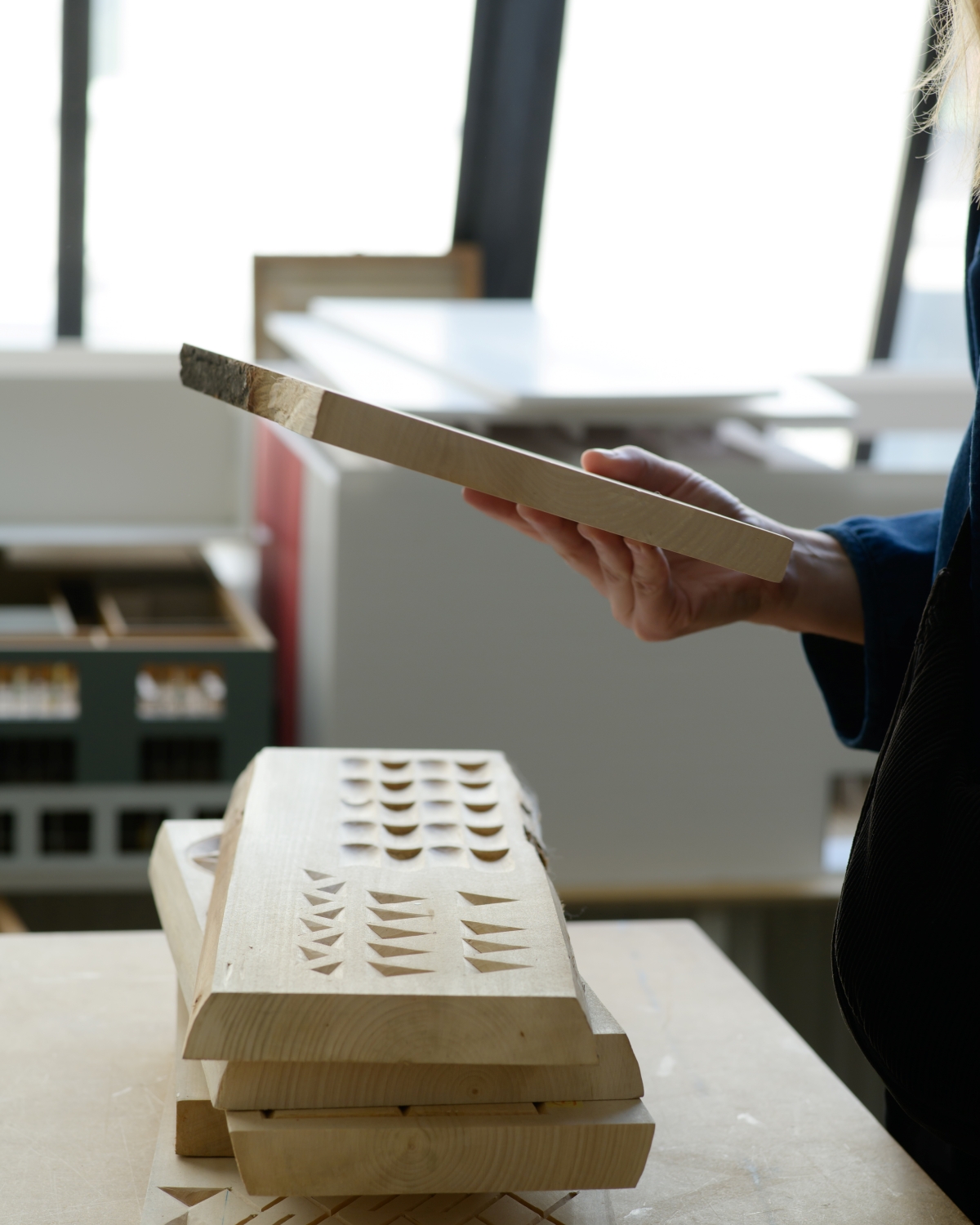
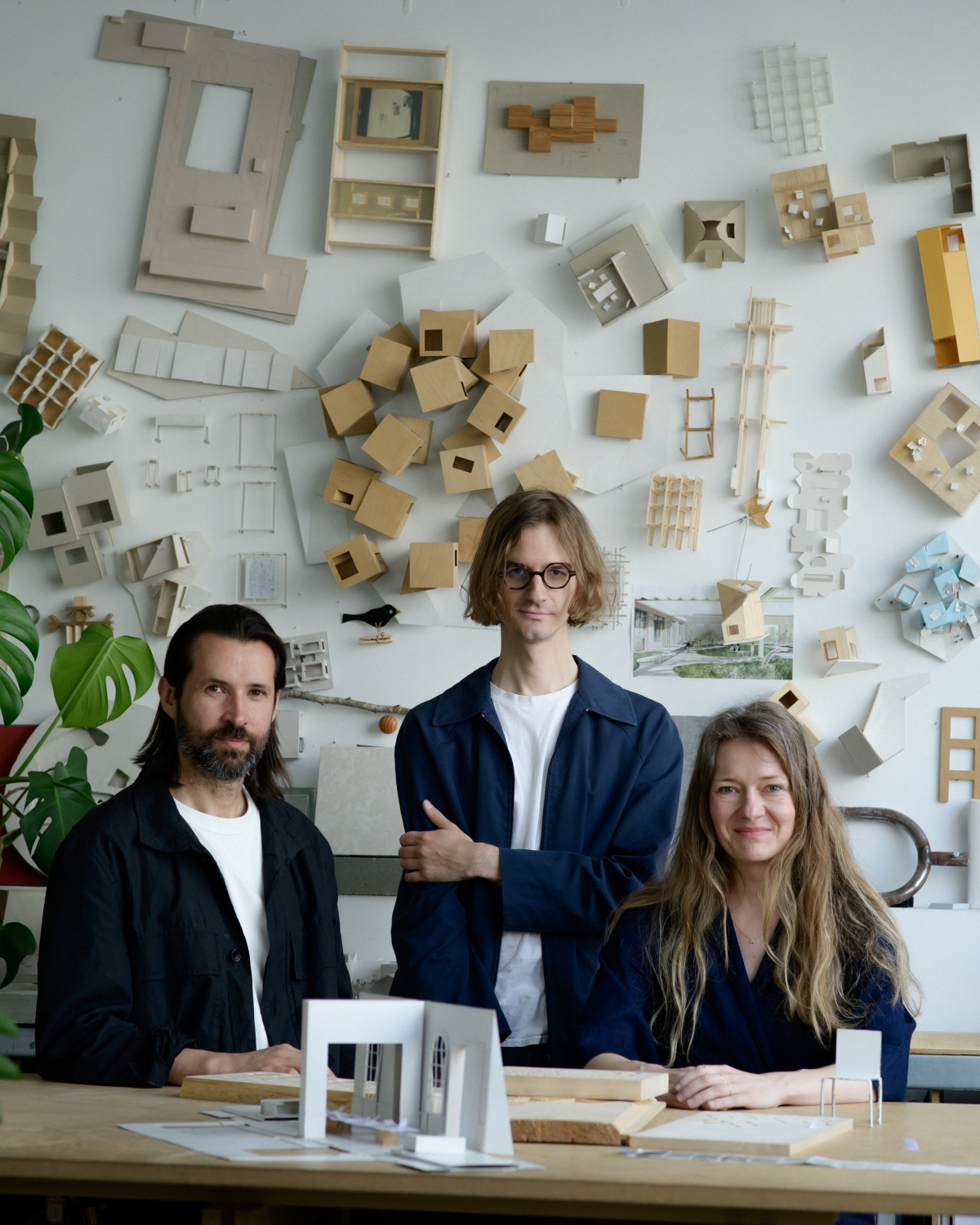
Maciej Siuda notes that the character of the new designs is shaped by 12 distinct stories of waiting, each reflecting the emotional nuances of those experiences. As a result, each of the twelve reliefs is unique, influenced by the particular nature of waiting. The ornaments are not in the traditional highlander style—instead, they have an otherworldly, almost extraterrestrial quality.
Ornament is usually seen as surface decoration, something extra or unnecessary. But for us, it captures something deeper: the imprint of time. We wanted to create a universal visual language, drawing from proto-ornaments—simple geometric shapes—but also inspired by ethnographic work like that of Władysław Matlakowski, who studied highlander patterns in great detail. What we have arrived at is a pan-cultural, almost cosmic language.
Monika Rosińska, Ph.D. / Assistant Professor
sociologist and lecturer at School of Form
Measuring the rhythm of hands and hours
The installation is also grounded in research. Alongside the woodcarving, the creators conducted anthropological and sociological studies, accompanied by a measuring spree the results of which are integrated into the exhibition.
The researchers tracked the time woodcarvers spent creating individual ornaments, like triangles or chains. Since each artisan worked at a different pace depending on their skill and experience, the team calculated the average time required to create these intricate patterns.
Additionally, the exhibition presents the average duration of each real-world waiting scenario—measured in minutes, weeks, days, or even years.
We used existing data—statistics on how long people in Poland wait in traffic, how long it takes to pay off a mortgage, or to get a psychiatric appointment. But we also ran qualitative studies to capture the emotional dimension of waiting. We invited participants—like a concierge, migrants, people experiencing homelessness, or a person undergoing gender transition—to keep research diaries. They recorded how long they waited, what they felt, how they related to that time. Some of them took photos. All of this became part of flipbooks featured in the exhibition.
Monika Rosińska, Ph.D. / Assistant Professor
sociologist and lecturer at School of Form
Practical info
London Design Biennale
Where: Somerset House, London, United Kingdom
When: June 5–29, 2025
